How to Use Skin-A Cream on Your Face: The Complete Guide for Beginners and Regular Users

Walking into a pharmacy or scrolling through skincare forums, you have probably come across Skin-A Cream countless times. Perhaps a dermatologist recommended it, or maybe a friend swore by its transformative effects on their acne-prone skin. Whatever brought you here, you are about to learn everything necessary to use this product correctly and maximize its incredible benefits while minimizing potential side effects.
Skin-A Cream has earned its reputation as one of the most effective topical treatments available for various skin concerns. From stubborn acne that refuses to respond to other treatments to fine lines that seem to appear overnight, this cream addresses multiple issues with remarkable efficacy. However, its potency also means that incorrect usage can lead to irritation, peeling, and disappointment. Many people abandon this treatment prematurely simply because they did not understand how to introduce it properly into their skincare routine.
This comprehensive guide eliminates the guesswork entirely. By the time you finish reading, you will understand not just how to apply Skin-A Cream, but why certain techniques work better than others. You will learn to read your skin’s signals, adjust your routine accordingly, and ultimately achieve the results that made you interested in this product initially.
Understanding What Skin-A Cream Actually Is and How It Works
Before applying anything to your face, understanding what you are putting on your skin empowers you to use it more effectively. Skin-A Cream contains tretinoin as its active ingredient, which belongs to the retinoid family derived from Vitamin A. This ingredient has decades of scientific research supporting its effectiveness, making it one of the most studied and proven skincare ingredients available today.
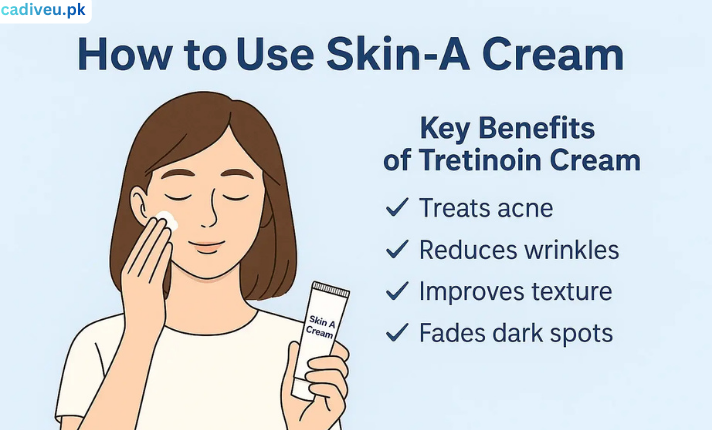
Tretinoin works by fundamentally changing how your skin cells behave. When you apply Skin-A Cream to your face, the tretinoin penetrates your skin and communicates with skin cells at a deeper level. It accelerates the natural cell turnover process, which means your skin sheds dead cells faster and produces new, healthy cells more quickly. This accelerated renewal process explains why Skin-A Cream effectively treats acne, reduces hyperpigmentation, minimizes fine lines, and improves overall skin texture.
The cream typically comes in different concentrations, ranging from 0.025% for beginners to 0.05% and 0.1% for those whose skin has built tolerance over time. Starting with the lowest concentration makes sense for most people because it allows your skin to adjust gradually without overwhelming it. Think of it like training for a marathon rather than sprinting on your first day of exercise. Your skin needs time to adapt to this powerful ingredient, and respecting this adjustment period leads to much better long-term results.
Understanding the mechanism also helps you maintain realistic expectations about the timeline for results. Because Skin-A Cream works at the cellular level, visible improvements take time to manifest on the surface. Most users begin noticing positive changes around the six to eight week mark, with optimal results appearing after three to six months of consistent use. This patience requirement separates successful Skin-A Cream users from those who give up too soon.
The Essential Benefits That Make Skin-A Cream Worth Using
The popularity of Skin-A Cream stems from its ability to address multiple skin concerns simultaneously. Understanding these benefits helps you appreciate why dermatologists worldwide continue recommending tretinoin-based products despite the initial adjustment challenges.
Acne treatment remains the primary reason many people discover Skin-A Cream. The accelerated cell turnover prevents dead skin cells from clogging pores, which addresses one of the root causes of acne formation. Additionally, tretinoin reduces the stickiness of cells within follicles, preventing the formation of comedones that eventually become pimples. For those dealing with persistent acne that over-the-counter products cannot control, Skin-A Cream often provides the breakthrough they desperately need.
Beyond acne, the anti-aging benefits of Skin-A Cream attract users across all age groups. Tretinoin stimulates collagen production deep within the skin, which combats the natural collagen loss that occurs as we age. This increased collagen production translates to firmer, more elastic skin with reduced fine lines and wrinkles over time. Many dermatologists consider tretinoin the gold standard for topical anti-aging treatments, and Skin-A Cream delivers this ingredient at an accessible price point.
Hyperpigmentation, including dark spots, melasma patches, and post-acne marks, also responds remarkably well to consistent Skin-A Cream usage. The accelerated cell turnover brings fresher, evenly pigmented skin to the surface while shedding the darker, damaged cells more quickly. Users dealing with uneven skin tone often find that Skin-A Cream delivers more dramatic improvements than expensive brightening serums and treatments.
Skin texture improvements round out the major benefits. Rough, bumpy skin becomes smoother as dead cells shed more efficiently. Enlarged pores appear smaller as the surrounding skin becomes firmer. The overall radiance of your complexion increases as healthier cells replace damaged ones. These combined benefits explain why many users describe Skin-A Cream as transformative for their skin.
Preparing Your Skin Before Applying Skin-A Cream
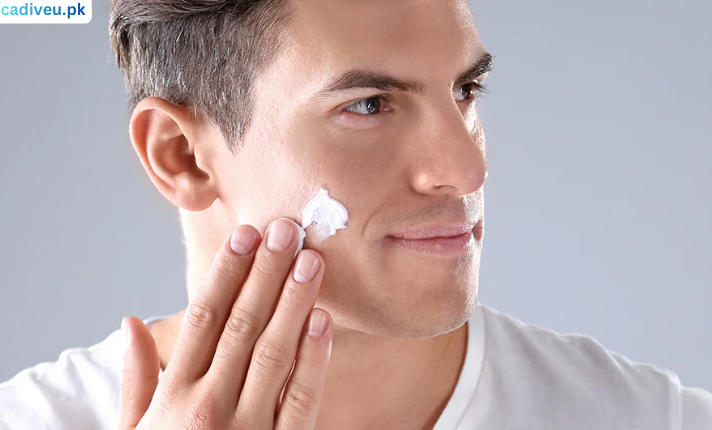
The preparation phase before applying Skin-A Cream significantly impacts how well your skin tolerates the treatment and how effectively the active ingredients penetrate. Rushing through preparation or skipping steps entirely often leads to unnecessary irritation and diminished results.
Cleansing your face properly forms the foundation of effective preparation. You want to remove all traces of makeup, sunscreen, dirt, and excess oil without stripping your skin of its natural protective barrier. Choose a gentle, non-foaming cleanser that maintains your skin’s pH balance. Harsh cleansers that leave your skin feeling tight and squeaky clean actually compromise your skin barrier, making tretinoin more irritating than it needs to be. The goal is clean skin that still feels comfortable and hydrated.
After cleansing, the waiting period before application matters more than most people realize. Your skin should be completely dry before Skin-A Cream touches it. Many experts recommend waiting at least twenty to thirty minutes after washing your face before applying tretinoin. This waiting period is not arbitrary caution but serves an important purpose. Damp skin absorbs products more readily, which sounds beneficial but actually increases the penetration of tretinoin beyond optimal levels. This excessive penetration leads to increased irritation without additional benefits. Completely dry skin allows for controlled absorption that your skin can handle better.
During this waiting period, you can complete other evening tasks or simply relax. Some people use this time for light activities like reading, preparing for bed, or catching up on messages. The point is ensuring your skin has adequate time to dry completely before proceeding with application.
Step-by-Step Application Process for Optimal Results
Applying Skin-A Cream correctly involves more nuance than simply spreading cream across your face. Each step in the application process serves a purpose, and understanding these purposes helps you execute them properly.
Begin by dispensing a small amount of cream onto your fingertip. The amount you need is probably smaller than you expect. A pea-sized amount suffices for your entire face. Using more product does not accelerate results but does increase irritation risk substantially. Your first few applications should actually use even less than a pea-sized amount as your skin acclimates to the ingredient.
Dot this small amount across different areas of your face rather than applying it all in one spot and spreading outward. Place tiny dots on your forehead, both cheeks, chin, and nose. This dotting technique ensures more even distribution and prevents concentrated application in any single area. Concentrated application in one spot can cause localized irritation that creates unnecessary discomfort and visible peeling.
Using your fingertips, gently blend the cream across your face using light, upward motions. You want to spread the product evenly without rubbing aggressively. Aggressive rubbing does not improve absorption and may irritate your skin. The cream should disappear into your skin within a minute or two of gentle blending. If you find yourself working the product for longer than this, you probably applied too much.
Certain areas of your face require special attention and caution during application. The skin around your eyes is particularly thin and sensitive, so keeping Skin-A Cream away from this area prevents unnecessary irritation. Similarly, the corners of your nose, the corners of your mouth, and your lips themselves should remain cream-free. These areas tend to be drier and more sensitive, making them prone to excessive peeling and discomfort when exposed to tretinoin.
The Buffering Technique for Sensitive Skin Types
If your skin tends toward sensitivity or you have experienced irritation from retinoids previously, the buffering technique offers a gentler introduction to Skin-A Cream. This approach has helped countless people successfully incorporate tretinoin into their routines when direct application proved too harsh.
Buffering involves applying moisturizer before Skin-A Cream rather than after. This layer of moisturizer acts as a buffer between your skin and the tretinoin, slowing down absorption and reducing intensity without eliminating effectiveness entirely. Critics of this technique argue that it diminishes results, but research and practical experience suggest that consistent use with buffering outperforms inconsistent use due to irritation.
To buffer effectively, apply your regular moisturizer after cleansing and allow it to absorb for about fifteen to twenty minutes. Your skin should feel hydrated but not wet or greasy. Then apply Skin-A Cream over the moisturized skin using the same technique described earlier. The moisturizer barrier reduces tretinoin penetration just enough to minimize irritation while still allowing therapeutic effects over time.
Many dermatologists recommend starting with buffering and gradually transitioning to direct application as your skin builds tolerance. This gradual approach might add a few weeks to your adjustment period, but it dramatically reduces the likelihood of severe irritation that could sideline your treatment entirely. Think of buffering as a slower but steadier path to the same destination.
Building Frequency Gradually Rather Than Diving In
The frequency of Skin-A Cream application plays a crucial role in successful treatment outcomes. Beginning with daily application, despite what some product instructions might suggest, sets most people up for an unnecessarily difficult adjustment period. Strategic frequency building produces better results with less discomfort.
During your first two weeks, applying Skin-A Cream just twice per week allows your skin to experience the ingredient without becoming overwhelmed. Choose two non-consecutive nights, such as Monday and Thursday or Tuesday and Friday. On other nights, focus on hydration and gentle skincare. This approach gives your skin recovery time between applications while still introducing it to tretinoin.
After two weeks without severe irritation, you can increase to three times per week. This pattern continues with gradual increases based on how your skin responds. Some people progress to every other night within a month, while others need longer intervals. There is no universal timeline that works for everyone, so reading your own skin’s signals matters more than following arbitrary schedules.
Eventually, most people can apply Skin-A Cream every night without significant irritation. Reaching this point might take anywhere from two to four months, depending on your skin type, the concentration you are using, and how carefully you managed the building process. Once your skin tolerates nightly application well, you have successfully completed the adjustment period and can focus on maintaining your routine for long-term benefits.
Managing the Adjustment Period Realistically
Almost everyone experiences some adjustment symptoms when starting Skin-A Cream, and understanding what to expect helps you distinguish normal adjustment from problematic reactions. This period, sometimes called the “retinoid uglies” or purging phase, tests patience but ultimately leads to better skin.
Mild peeling and flaking commonly occur during the first few weeks of treatment. Your skin is shedding cells faster than before, and this accelerated turnover becomes visible as dry, flaky patches. Resist the urge to pick at or scrub away these flakes aggressively. Gentle exfoliation with a soft washcloth during cleansing helps manage flaking without damaging the fresh skin underneath.
Temporary dryness accompanies the peeling for most users. Your skin might feel tighter than usual and appear less supple. Increasing your moisturizer application helps considerably during this phase. You might need a richer moisturizer than you typically use, or you might apply your regular moisturizer more frequently. Some people apply a light layer of moisturizer in the morning and a heavier layer at night to combat tretinoin-related dryness.
Purging refers to the temporary increase in breakouts that some users experience during early Skin-A Cream use. This phenomenon occurs because tretinoin accelerates the entire skin cycle, bringing existing clogs to the surface faster than they would have appeared naturally. Purging typically occurs in areas where you normally break out and resolves within six to eight weeks. Breakouts in unusual locations or severe cystic acne that persists beyond two months might indicate a reaction rather than purging, warranting consultation with a dermatologist.
Some redness and sensitivity also characterize the adjustment period. Your skin might appear slightly more flushed than usual, especially right after application. This redness typically subsides within a few hours and decreases in intensity as your skin adapts over weeks of use.
Morning Routine Considerations When Using Skin-A Cream at Night
While Skin-A Cream application happens at night, your morning routine requires adjustments to support your skin through the treatment process. These morning considerations significantly impact your overall experience and results.
Sunscreen becomes absolutely non-negotiable when using any tretinoin product. Tretinoin increases your skin’s sensitivity to ultraviolet radiation, making sun protection essential rather than optional. Apply a broad-spectrum sunscreen with at least SPF 30 every single morning, regardless of weather conditions or whether you plan to spend significant time outdoors. Ultraviolet rays penetrate clouds and windows, so indoor days still require sunscreen protection.
Choosing the right sunscreen matters when your skin is adjusting to Skin-A Cream. Heavy, occlusive sunscreens might feel uncomfortable on skin that is already dealing with sensitivity. Lighter formulations, gel-based sunscreens, or mineral sunscreens with zinc oxide often feel more comfortable during the adjustment period. Finding a sunscreen you actually enjoy wearing increases the likelihood that you will apply it consistently.
Your morning cleanser should remain gentle, perhaps even gentler than your evening cleanser. Some people find that simply rinsing with water in the morning works well during the adjustment period, preserving natural oils and avoiding additional irritation. If you need a cleanser, choose the mildest option available that still leaves your skin feeling clean.
Morning moisturizer application helps counteract any dryness from overnight tretinoin use. Apply your moisturizer before sunscreen for best results. If your skin feels particularly dry or tight in the morning, applying a hydrating serum underneath your moisturizer provides an extra layer of hydration support.
Common Mistakes That Undermine Your Results

Learning what not to do proves just as valuable as learning proper techniques. These common mistakes derail many Skin-A Cream users and are entirely avoidable with awareness.
Applying too much product wastes money and irritates skin without improving results. The pea-sized amount recommendation exists for good reason, as tretinoin is highly effective in small quantities. More product does not equal faster or better results but does equal more peeling, redness, and discomfort.
Using Skin-A Cream on wet skin dramatically increases irritation without therapeutic benefit. Always wait for completely dry skin, even if you are impatient to complete your routine and get to bed. Those twenty to thirty minutes of waiting time save you from days of excessive peeling and sensitivity.
Combining Skin-A Cream with other active ingredients too early in your treatment overwhelms your skin. Products containing acids like glycolic acid, salicylic acid, or vitamin C should be used cautiously or temporarily eliminated during the adjustment period. Once your skin tolerates nightly tretinoin well, you can gradually reintroduce other actives on alternating nights or in your morning routine.
Skipping sunscreen after using tretinoin overnight damages your skin and counteracts the benefits you are working to achieve. Sun exposure without protection causes hyperpigmentation and premature aging, the very issues many people use Skin-A Cream to address. Consistent sunscreen use protects your investment in this treatment.
Giving up too soon prevents you from experiencing the remarkable results that develop with consistent use. The adjustment period feels discouraging, and results take months to appear fully. Users who persist through the challenging early weeks almost universally express gratitude for their patience once their skin transforms.
Special Considerations for Different Skin Types
While the basic application principles apply to everyone, different skin types benefit from customized approaches that address their specific needs and challenges.
Oily skin types often tolerate Skin-A Cream better than dry skin types because their natural sebum production provides some protective moisture. However, oily skin users should still avoid over-applying the product thinking their skin can handle more. The cream-based formulation of Skin-A Cream works fine for oily skin, though some users prefer gel-based tretinoin products if available. Oily skin types might progress through the frequency building phase faster than others but should still respect the gradual approach.
Dry skin types face more challenges with Skin-A Cream and benefit most from buffering techniques and intensive moisturization. Applying hydrating serums, using richer night creams, and even incorporating facial oils on non-tretinoin nights helps combat the drying effects. Dry skin types might need longer intervals between applications during the building phase and should prioritize barrier support throughout their treatment journey.
Sensitive skin types require the most careful approach of all. Starting with the lowest concentration available, buffering consistently, and building frequency very slowly gives sensitive skin the best chance of adapting successfully. Sensitive skin users should also examine the rest of their routine for potentially irritating ingredients and simplify to the basics during the adjustment period.
Combination skin types need a balanced approach, potentially using different amounts in different areas. The oilier T-zone might tolerate Skin-A Cream better than drier cheeks, so applying less product on the cheeks makes sense. Paying attention to how different areas respond helps combination skin types customize their application effectively.
When to Consult a Dermatologist About Your Experience
While this guide covers typical experiences with Skin-A Cream, certain situations warrant professional guidance rather than self-management. Knowing when to seek help protects your skin and ensures you receive appropriate treatment if needed.
Severe allergic reactions require immediate medical attention. Symptoms like significant swelling, hives, difficulty breathing, or severe burning pain that does not subside indicate an allergic reaction rather than normal adjustment. Discontinue use immediately and seek medical care if you experience these symptoms.
Prolonged intense irritation beyond what seems reasonable suggests your skin might need a different approach. If your skin remains severely irritated after more than two weeks despite using buffering techniques and maintaining gentle frequency, a dermatologist can assess whether tretinoin is appropriate for you or whether an alternative treatment would work better.
Persistent cystic acne or dramatically worsened skin after eight weeks of consistent use might indicate that something beyond purging is occurring. A dermatologist can distinguish between extended purging and genuine negative reactions, adjusting your treatment plan accordingly.
Unexpected skin changes like unusual discoloration, texture changes in areas where you do not apply the product, or symptoms that seem unrelated to tretinoin deserve professional evaluation. While Skin-A Cream is safe for most users when applied correctly, individual reactions vary, and professional guidance ensures your skin receives appropriate care.
Long-Term Maintenance Once Your Skin Has Adjusted
After successfully navigating the adjustment period, maintaining your results requires continued commitment to your routine with some possible modifications based on your skin’s evolving needs.
Consistency remains crucial for long-term results. The benefits of tretinoin continue only with ongoing use. Stopping treatment leads to gradual reversal of improvements as your skin returns to its natural cell turnover rate. Making Skin-A Cream a permanent part of your evening routine ensures lasting benefits.
You might consider increasing concentration over time if you desire enhanced results and your skin tolerates your current strength well. Moving from 0.025% to 0.05% after a year of successful use, for example, might provide additional anti-aging benefits. This concentration increase requires another adjustment period, though typically milder than your initial experience.
Seasonal adjustments help maintain comfort throughout the year. Winter months with lower humidity might require increased moisturization, while summer months might allow lighter supporting products. Paying attention to how your skin feels and responds to seasonal changes helps you adjust your routine appropriately.
As you age, your skin’s needs continue evolving. The routine that works perfectly at thirty might need modifications at forty or fifty. Remaining flexible and attentive to your skin’s signals ensures your Skin-A Cream use continues serving you well throughout the years.
Final Thoughts: Your Path to Transformed Skin
Using Skin-A Cream correctly requires patience, consistency, and attention to your skin’s unique responses. The adjustment period challenges even committed users, but understanding why those challenges occur and how to manage them makes the journey much more bearable. The transformed skin waiting on the other side of this adjustment makes every careful step worthwhile.
Remember that your experience with Skin-A Cream is yours alone. Some people breeze through the adjustment period with minimal irritation, while others require more time and gentler approaches. Neither experience is wrong or abnormal. What matters is finding the approach that works for your skin and committing to it consistently.
The principles in this guide, including starting slowly, preparing skin properly, applying correct amounts, protecting from sun, and persisting through the adjustment period, set you up for success regardless of your specific skin type or concerns. Trust the process, listen to your skin, and give this powerful ingredient the time it needs to work its remarkable effects.
Your journey to clearer, smoother, more radiant skin begins with your very first application. Armed with the knowledge from this guide, you can approach that first application with confidence, knowing exactly what to do and what to expect. Beautiful skin awaits those patient enough to pursue it correctly.