How to Get Rid of Frizzy Hair: Proven Methods That Actually Work

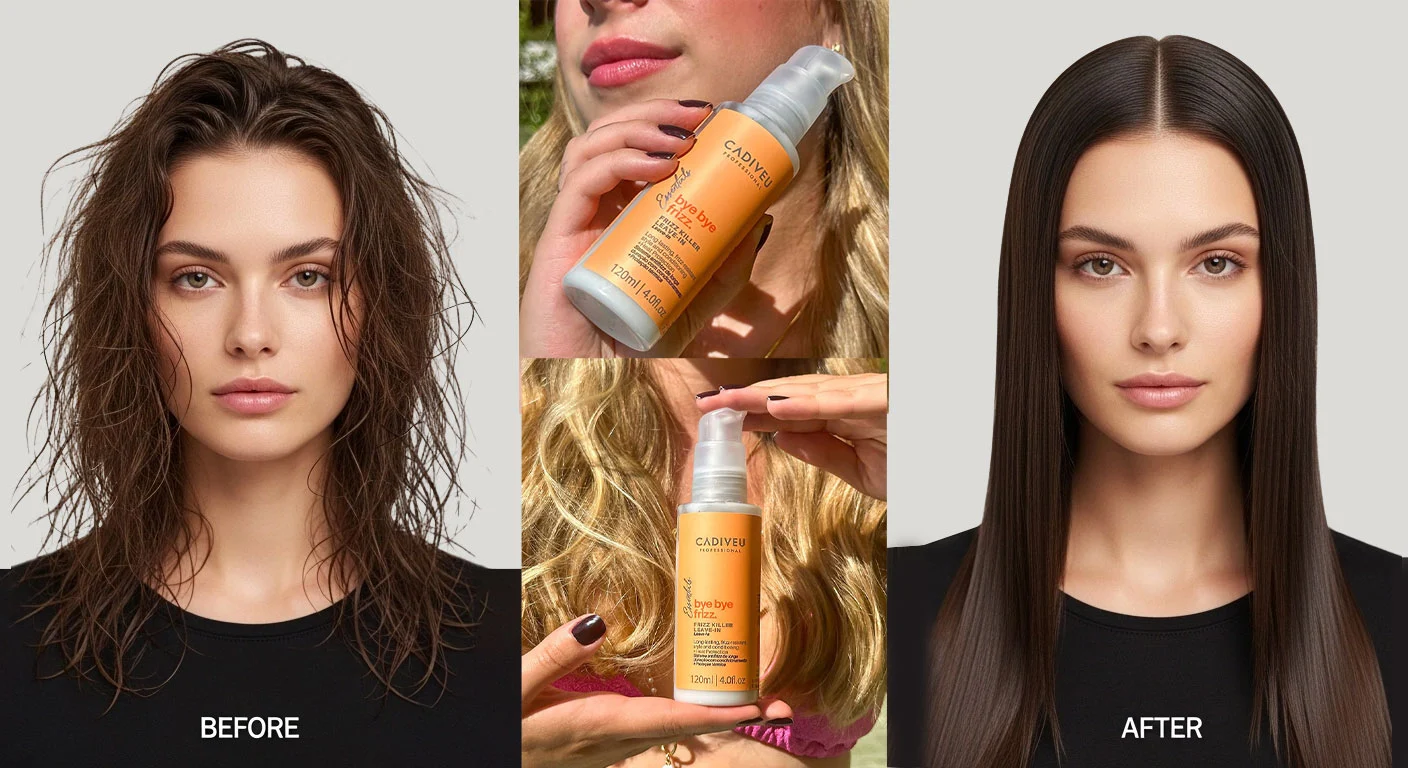
You wake up, look in the mirror, and there it is again. That halo of flyaways and puffiness that turns your carefully planned hairstyle into something resembling a bird’s nest. Frizzy hair affects people across all hair types, textures, and backgrounds. Whether you have naturally curly locks that refuse to cooperate or straight hair that poofs up at the slightest hint of humidity, frizz remains one of the most common and frustrating hair concerns.
The good news is that frizzy hair is not a life sentence. Once you understand what causes those unruly strands to misbehave, you can take targeted action to smooth them down and keep them that way. This guide explores everything from the science behind frizz to practical daily habits that transform your hair from chaotic to controlled.
What Actually Causes Frizzy Hair
Before jumping into solutions, understanding why your hair becomes frizzy helps you address the root cause rather than just treating symptoms temporarily.
The Science of Frizz
Hair becomes frizzy when the outer layer of your hair strand, called the cuticle, lifts up instead of lying flat. Think of the cuticle as tiny shingles on a roof. When those shingles lay smooth and overlap properly, your hair looks shiny and feels silky. When they lift and separate, your hair loses moisture, absorbs humidity from the air, and swells unevenly. This uneven swelling creates that puffy, undefined appearance we call frizz.
Common Frizz Triggers
Several factors contribute to lifted cuticles and resulting frizz. Humidity tops the list for most people. When air contains excess moisture, dry or damaged hair absorbs that moisture desperately, causing strands to swell unpredictably. This explains why your hair might look perfect at home but transforms into a frizzy mess the moment you step outside on a humid day.
Heat damage from styling tools gradually weakens your hair’s protective cuticle layer. Blow dryers, flat irons, and curling wands applied repeatedly without protection literally cook your hair, leaving it porous and prone to frizz. Chemical treatments including coloring, bleaching, perming, and relaxing also compromise cuticle integrity.
Rough handling during washing and styling contributes significantly to frizz problems. Rubbing hair vigorously with towels, brushing wet hair aggressively, and using harsh elastics all create friction that roughens the cuticle surface. Even sleeping on cotton pillowcases generates friction throughout the night.
Your natural hair texture plays a role as well. Curly and wavy hair types naturally have cuticles that lift more easily than straight hair types. The bends and curves in curly hair create points where cuticles tend to separate, making curly hair inherently more frizz-prone regardless of other factors.
Washing Habits That Reduce Frizz Dramatically
Your shower routine sets the foundation for frizzy or smooth hair. Small adjustments to how you wash and condition create noticeable differences in frizz levels.
Choosing the Right Shampoo
Sulfate free right shampoos clean your hair without stripping away natural oils that help keep cuticles flat. Traditional shampoos containing sodium lauryl sulfate or sodium laureth sulfate create satisfying lather but leave hair drier and more frizz-prone. Look for gentle cleansing agents like cocamidopropyl betaine or sodium cocoyl isethionate that remove dirt and buildup without over-drying.
Washing frequency matters too. Shampooing daily strips your scalp of natural oils faster than it can replenish them. Most people with frizzy hair benefit from washing every two to three days instead. On non-wash days, water rinsing or co-washing with conditioner only refreshes hair without the drying effects of shampoo.
Conditioning Like You Mean It
Conditioner is not optional when fighting frizz. Apply conditioner generously from mid-lengths to ends, where hair is oldest and most prone to damage. Let it sit for at least two to three minutes before rinsing. This waiting time allows conditioning agents to penetrate the hair shaft and smooth down cuticles properly.
Consider leaving a tiny amount of conditioner in your hair rather than rinsing completely. This technique, popular among curly hair communities, provides ongoing moisture and frizz protection throughout the day. Rinse until water runs mostly clear but stop before every trace of conditioner disappears.
Water Temperature Matters
Hot water feels wonderful but opens hair cuticles wide, making them more susceptible to frizz once you step out of the shower. Washing and conditioning with lukewarm water protects your cuticles better. Finishing with a cool water rinse helps seal cuticles flat before you begin the drying process.
Drying Techniques That Prevent Frizz Formation
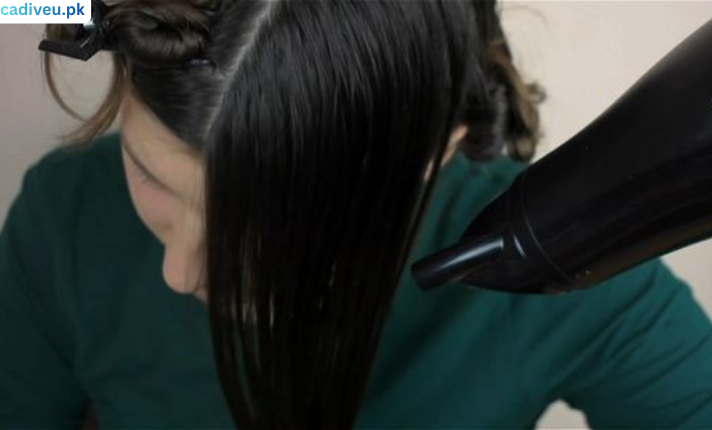
How you dry your hair after washing significantly impacts frizz levels. Rough treatment during this vulnerable wet phase causes damage that shows up as frizz once hair dries.
Ditch the Regular Towel
Standard bath towels have rough, looped fibers that catch on hair cuticles and rough them up. Switching to a microfiber towel or even an old cotton t-shirt makes a remarkable difference. These gentler materials absorb water effectively without creating friction that leads to frizz.
Instead of rubbing your hair dry, gently squeeze or scrunch sections to remove excess water. This pressing motion extracts moisture without disturbing the cuticle layer. Work from ends up toward roots, supporting the hair rather than pulling downward.
Air Drying Versus Blow Drying
Air drying eliminates heat damage entirely, making it gentler for frizz prone hair. However, hair that air dries slowly stays wet and vulnerable for extended periods, during which frizz can form. If you air dry, apply anti-frizz products immediately after towel drying and avoid touching your hair as it dries.
Blow drying can actually reduce frizz when done correctly. The key lies in using cool or medium heat settings, maintaining distance between the dryer and your hair, and always directing airflow down the hair shaft from roots to ends. This downward direction helps smooth cuticles flat rather than blowing them open.
Using a concentrator nozzle attachment focuses airflow precisely where you want it, reducing overall heat exposure while improving smoothing results. Taking sections and drying methodically produces better results than waving the dryer randomly around your head.
Products That Fight Frizz Effectively
The right products make controlling frizz significantly easier. Building a targeted anti-frizz routine requires understanding which products address which aspects of the frizz problem.
Leave-In Conditioners and Creams
Leave-in products provide ongoing moisture that prevents your hair from seeking moisture in the air. Apply them to damp hair immediately after washing, distributing evenly from mid-lengths through ends. These products create a protective layer that keeps cuticles smoother throughout the day.
Look for ingredients like glycerin, shea butter, argan oil, and various silicones in your leave-in products. Silicones sometimes get negative attention, but they excel at creating a smooth coating that blocks humidity and adds shine. Water-soluble silicones wash out easily and work well for most hair types.
Hair Oils and Serums
Lightweight hair oils applied to damp or dry hair seal the cuticle and add brilliant shine. A small amount goes a long way, so start with just a few drops warmed between your palms before smoothing over your hair. Focus on ends where frizz and dryness concentrate most.
Argan oil, jojoba oil, and marula oil rank among the most popular choices for frizz control. These oils penetrate the hair shaft rather than just sitting on the surface, providing lasting moisture from within. Heavier oils like coconut oil work better as pre wash treatments than as leave in products for most people.
Anti-Humidity Sprays and Mists
For humid climates or rainy days, anti humidity products provide an extra layer of protection against moisture absorption. These products typically contain polymers that create a barrier around each strand, preventing environmental humidity from penetrating and causing swell.
Apply these products as a final step in your styling routine for best results. Light misting over finished styles keeps frizz at bay even in challenging weather conditions.
Deep Conditioning Treatments for Lasting Smoothness
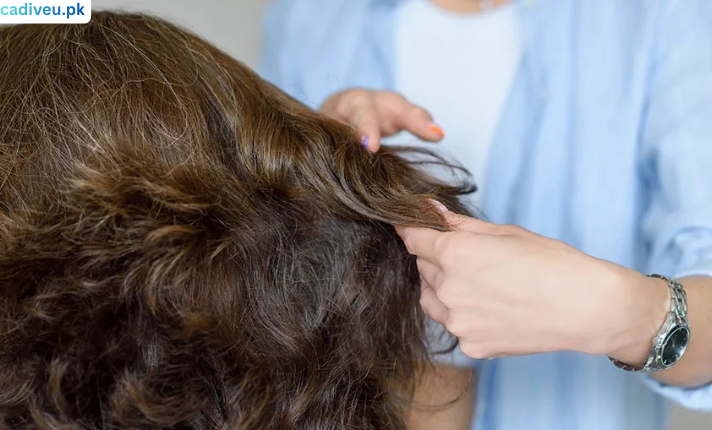
Weekly deep conditioning treatments repair damage and restore moisture levels that daily products cannot achieve alone. Making time for these treatments creates cumulative improvements in frizz control.
Store Bought Hair Masks
Quality hair masks contain concentrated conditioning agents that penetrate deeply when given time to work. Apply masks to clean, damp hair, cover with a shower cap or warm towel, and leave on for twenty to thirty minutes. The heat from your head or the towel opens cuticles slightly, allowing deeper ingredient penetration.
Look for masks containing keratin, which reinforces hair structure, or hydrolyzed proteins that temporarily repair damage. Avoid protein treatments if your hair already feels stiff or straw-like, as protein overload worsens these symptoms.
Natural Home Remedies
Kitchen ingredients create effective treatments without expensive products. Mashed avocado mixed with olive oil provides intense moisture that rivals commercial masks. Apply to damp hair, leave for twenty minutes, then shampoo out thoroughly.
Honey mixed with your regular conditioner adds humectant properties that draw moisture into hair strands. Egg yolks combined with coconut oil deliver protein and moisture simultaneously. These natural options work wonderfully but require thorough rinsing to avoid residue.
Daily Habits That Keep Frizz Away
Small daily choices accumulate into significant differences in your hair’s frizz levels over time. Adopting these habits creates lasting improvements.
Sleep Smart
Switching from cotton pillowcases to silk or satin prevents friction while you sleep. Your hair glides over these smooth surfaces rather than catching and roughening. Silk pillowcases also help hair retain moisture overnight rather than absorbing it like cotton does.
Protecting your hair before bed with loose braids, a silk bonnet, or a pineapple ponytail on top of your head prevents tangling that leads to next-day frizz. Whatever method you choose, avoid tight styles that create dents or stress your hairline.
Handle With Care
Minimizing how often you touch your hair throughout the day reduces frizz significantly. Every touch transfers oils from your hands while disturbing the hair arrangement your styling created. Keep your hands occupied elsewhere and resist the urge to constantly adjust your hair.
Using wide-tooth combs or detangling brushes designed for wet hair prevents breakage that shows up as frizz later. Start detangling from the ends and work upward gradually, supporting the hair above where you are working to prevent pulling.
Protect From Environmental Damage
Sun exposure, wind, and pollution all contribute to cuticle damage over time. Wearing hats or scarves on particularly sunny or windy days shields your hair from these damaging elements. Products containing UV filters provide additional protection when hats are not practical.
Swimming presents special challenges because chlorine and salt water both dry hair significantly. Wet your hair with clean water and apply conditioner before entering pools or the ocean. This pre-saturation reduces how much damaging water your hair absorbs.
Professional Treatments Worth Considering
When home methods need reinforcement, professional treatments offer more dramatic and longer-lasting results for severe frizz problems.
Keratin Treatments
Professional keratin treatments coat hair strands with protein that smooths cuticles flat for weeks or months. These treatments reduce frizz dramatically and cut styling time significantly. Results typically last three to six months depending on the specific treatment and your hair care habits.
These treatments involve applying keratin solution and sealing it with flat iron heat. They work wonderfully for frizz control but contain chemicals that some people prefer to avoid. Discussing options with your stylist helps determine whether this approach suits your preferences and lifestyle.
Professional Deep Conditioning
Salon conditioning treatments use professional-grade products and techniques like steamers or heat lamps that enhance penetration beyond what home treatments achieve. Monthly or bi-monthly professional conditioning maintains hair health and frizz resistance between more intensive treatments.
Conclusion: Your Frizz-Free Future Starts Today
Eliminating frizzy hair requires understanding your specific causes and addressing them systematically. Whether humidity, heat damage, rough handling, or natural texture drives your frizz, solutions exist that work for your situation.
Start with the basics including gentle washing, proper conditioning, and careful drying. Add targeted products that address your specific needs. Develop daily habits that protect rather than damage your hair. Consider professional treatments when home methods need additional support.
Consistency matters more than perfection. Small improvements in how you treat your hair daily accumulate into dramatic differences over weeks and months. Your frizzy hair days are numbered once you commit to treating your hair with the care it deserves.
Beautiful, smooth, manageable hair awaits you on the other side of these changes. Begin implementing these strategies today and watch your frizz gradually transform into the sleek, controlled hair you have always wanted.