Step by Step Guide to Using Conditioner Properly

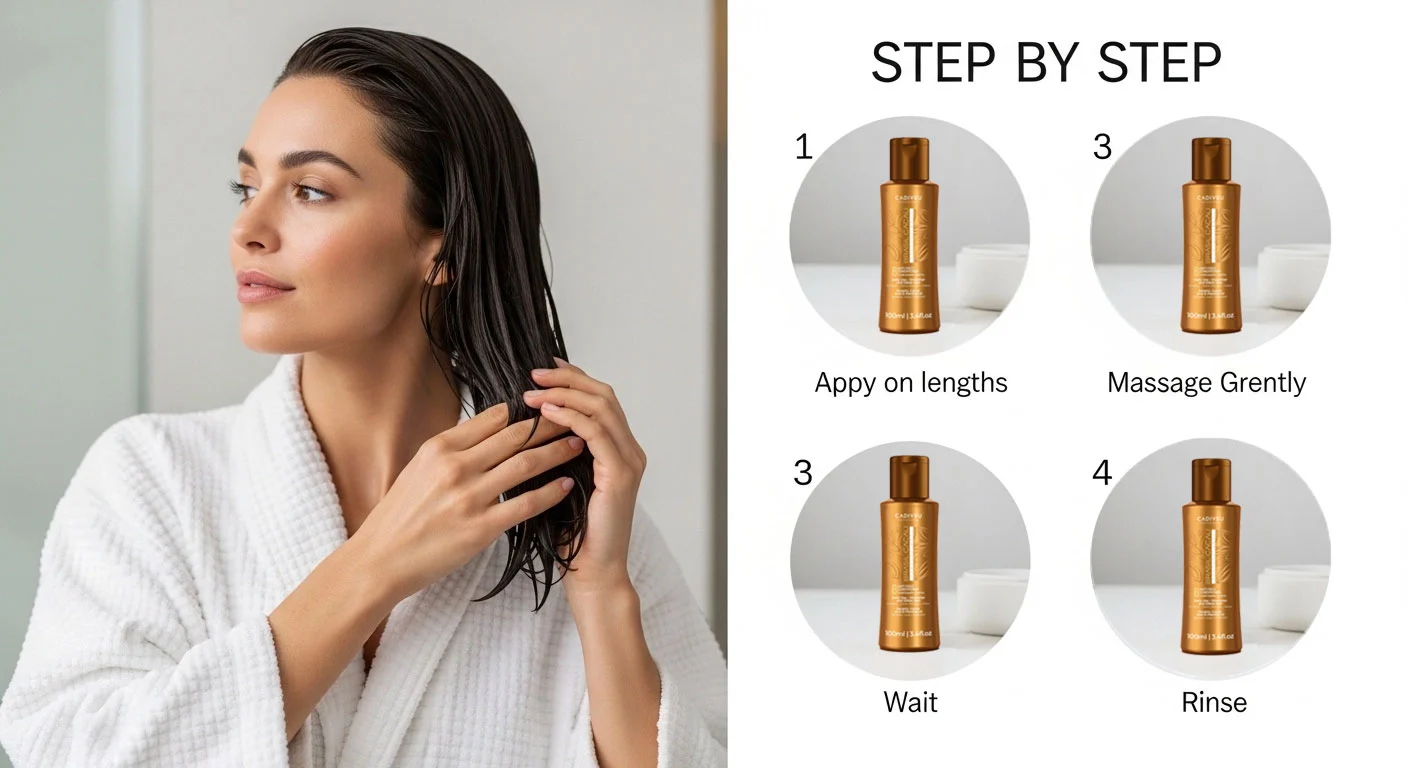
Step 1: Start With Properly Shampooed Hair
Rinse your shampoo completely before applying conditioner. Leftover shampoo residue prevents conditioner from penetrating your hair shaft effectively. Squeeze excess water from your hair gently so it feels damp but not dripping wet. Overly saturated hair dilutes your conditioner and reduces its effectiveness.
Step 2: Dispense the Right Amount
How much conditioner you need depends on your hair length and thickness. Short hair requires a coin sized amount while long, thick hair may need two to three times that quantity. Starting with less and adding more if needed prevents waste and product buildup.
Warm the conditioner between your palms before applying. This helps distribute the product more evenly and allows it to spread smoothly through your strands.
Step 3: Focus on Mid Lengths and Ends
Here is where most people make their biggest mistake. Conditioner belongs on the mid lengths and ends of your hair, not your roots. Your scalp produces natural oils that keep roots moisturized, so adding conditioner there creates greasiness and flat, limp hair.
Your ends are the oldest, most damaged part of your hair. They need conditioning the most. Start applying from your ends and work upward, stopping a few inches from your scalp.
Step 4: Use Your Fingers to Distribute Evenly
Run your fingers through your hair like a wide tooth comb, ensuring conditioner coats every strand. Pay special attention to areas prone to tangling and dryness. Gently work through any knots you encounter while your hair is slippery with product.
For thick or curly hair, section your hair and apply conditioner to each section individually. This ensures complete coverage that sometimes gets missed when treating all hair at once.
Step 5: Let It Sit and Penetrate
Patience separates adequate conditioning from exceptional conditioning. Allow your conditioner to sit for two to five minutes before rinsing. This waiting time lets conditioning agents penetrate your hair cuticle and deliver maximum moisture and repair benefits.
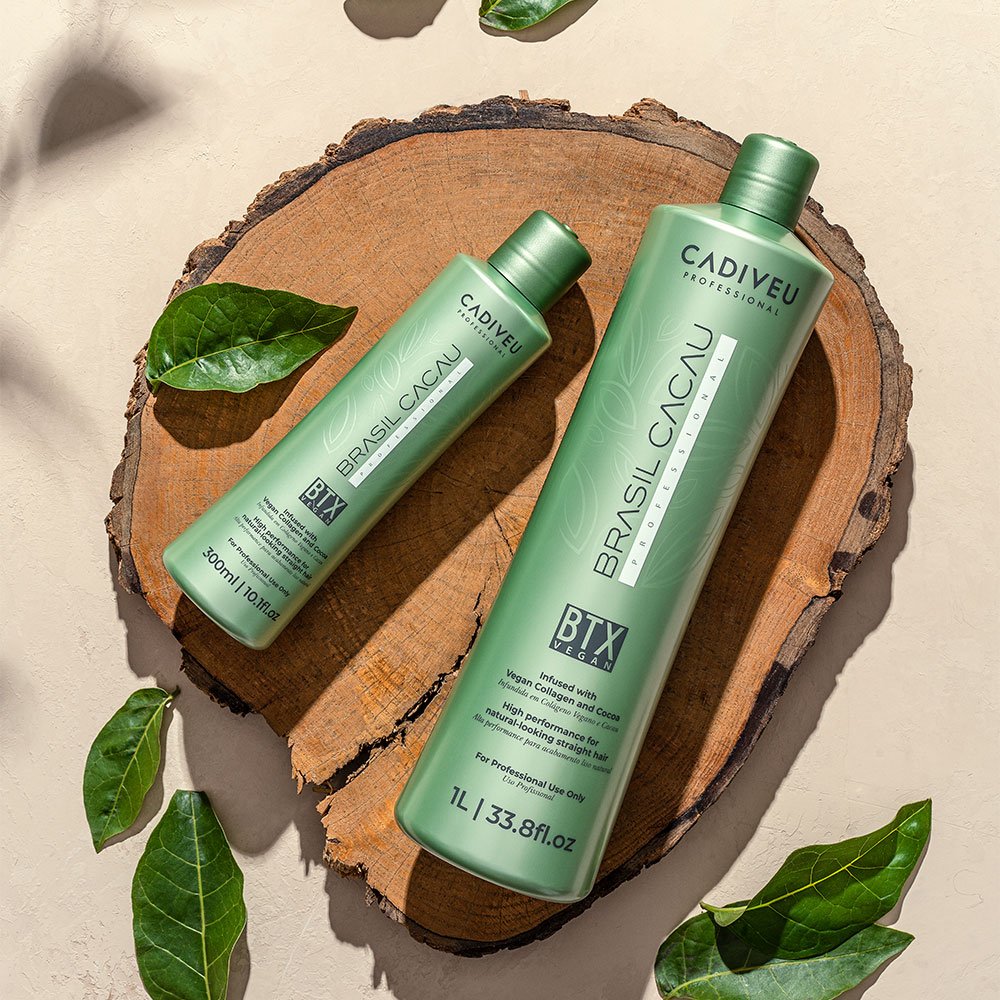
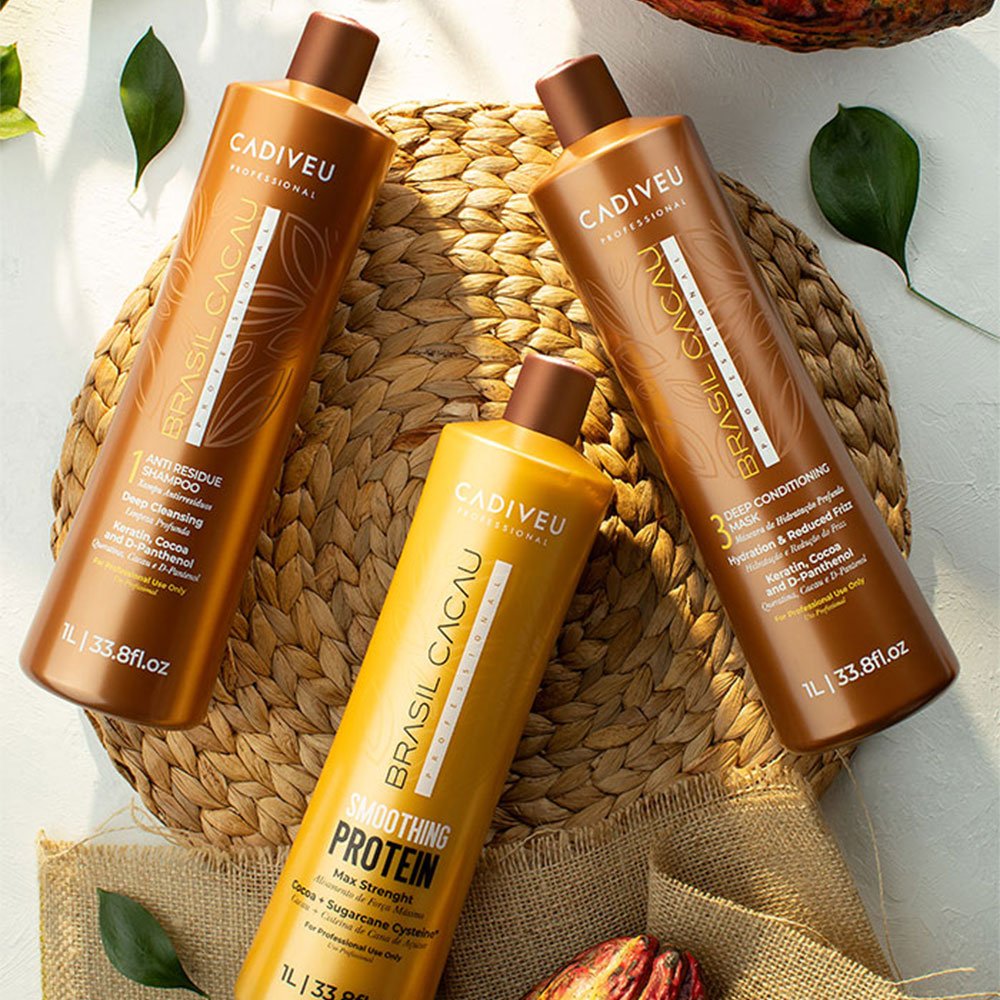
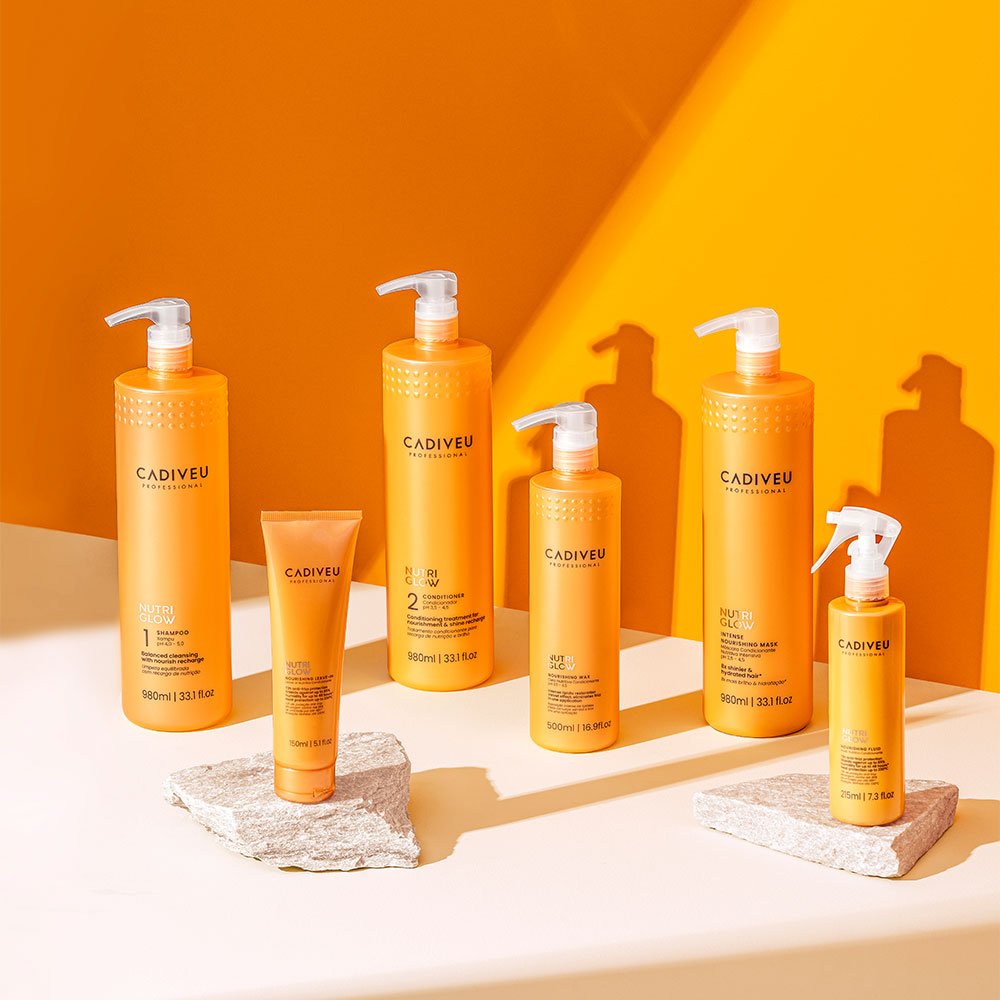
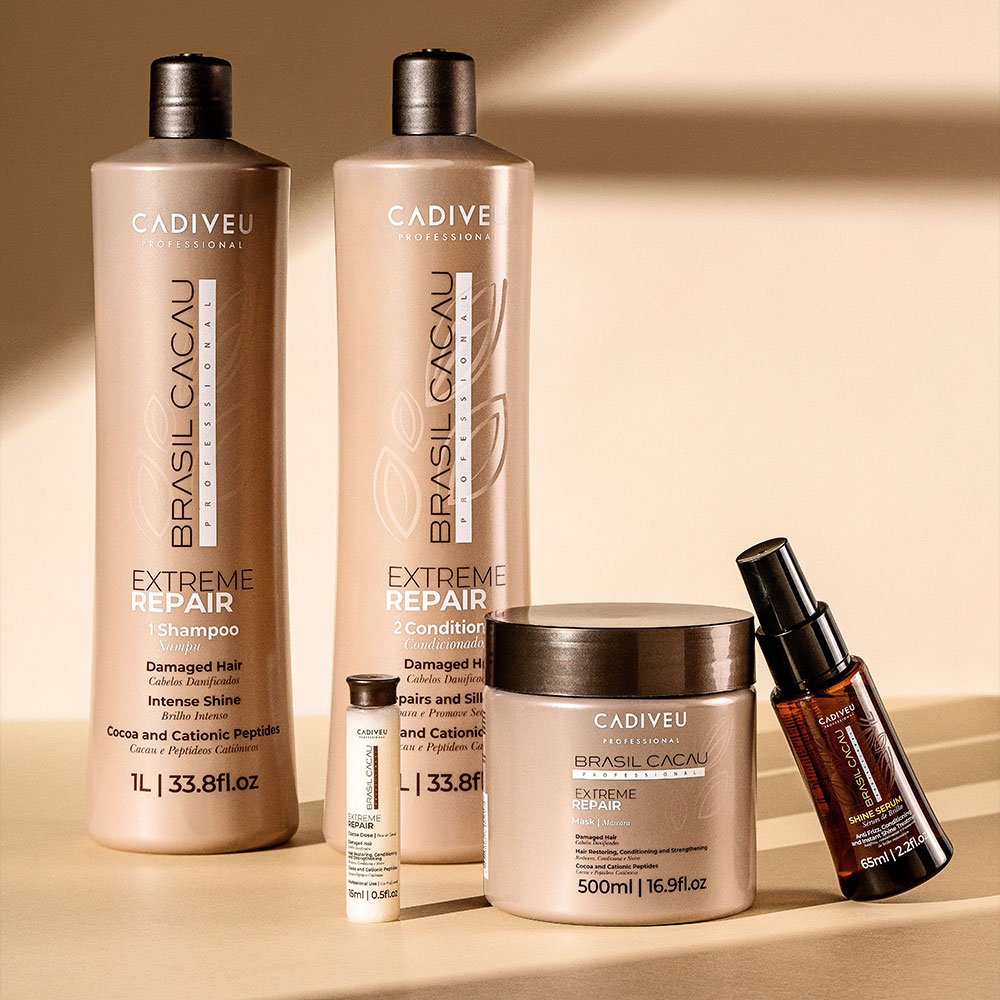
Use this time productively by washing your body, shaving, or simply relaxing under warm water. Premium conditioners like those from Cadiveu’s professional range benefit especially from extended contact time, as their concentrated formulas need time to work fully.
Step 6: Rinse With Cool Water
Rinse your conditioner thoroughly using cool or lukewarm water rather than hot. Cool water helps seal your hair cuticles flat, locking in the moisture your conditioner just provided. Sealed cuticles mean shinier, smoother, less frizzy hair once dry.
Rinse until water runs clear and your hair feels slippery but not heavily coated. Leaving too much conditioner creates buildup that weighs hair down and attracts dirt.
Common Conditioning Mistakes to Avoid
Applying Conditioner to Your Scalp
Conditioning your scalp leads to oily roots, flat hair, and potential buildup that clogs follicles. Keep conditioner away from your scalp unless using a specific scalp conditioning treatment.
Rushing the Process
Rinsing immediately after application wastes your conditioner’s potential. Those two to five minutes of waiting time genuinely improve your results.
Using Too Much Product
Excess conditioner does not provide extra benefits. It simply creates heaviness and residue that makes hair look greasy faster. Use appropriate amounts for your hair length.
Skipping Conditioner Entirely
Some people skip conditioner thinking it weighs hair down or causes oiliness. Proper application avoiding the scalp prevents these issues while providing essential moisture and protection your hair needs.
Choosing the Right Conditioner for Your Hair Type
Different hair types benefit from different conditioner formulations. Fine hair needs lightweight conditioners that moisturize without heaviness. Thick or coarse hair requires richer formulas that provide intense hydration.
Damaged or chemically treated hair benefits from protein rich conditioners that repair and strengthen. Brands like Cadiveu offer professional grade conditioners specifically formulated for treated hair, helping extend the life of keratin treatments and color services.
Curly hair thrives with deeply moisturizing conditioners that define curls and reduce frizz. Frizzy hair needs smoothing conditioners with ingredients that seal cuticles flat against humidity.
Extra Tips for Maximum Conditioning Benefits
Using a wide tooth comb while conditioner sits in your hair helps distribute product evenly and detangles gently. The slip from conditioner prevents breakage that occurs when combing dry or wet uncombed hair.
Consider weekly deep conditioning treatments for extra nourishment. Apply a generous amount of your regular conditioner or a dedicated hair mask, cover with a shower cap, and leave for fifteen to thirty minutes. The trapped heat enhances penetration dramatically.
For extremely dry or damaged hair, try the “squish to condish” technique popular in curly hair communities. After applying conditioner, cup sections of hair and squeeze upward repeatedly, encouraging product absorption while enhancing natural texture.
Conclusion
Using conditioner after shampoo correctly involves more than quick application and immediate rinsing. Focusing on mid lengths and ends, allowing adequate penetration time, and rinsing with cool water transforms your conditioning results noticeably.
Whether you choose affordable options or invest in premium products from Cadiveu, proper technique ensures you receive maximum benefits from every wash. Your hair deserves this simple extra attention that yields softer, shinier, healthier results.
Start implementing these steps today and feel the difference proper conditioning makes.