Best Products for Damaged or Chemically Treated Hair

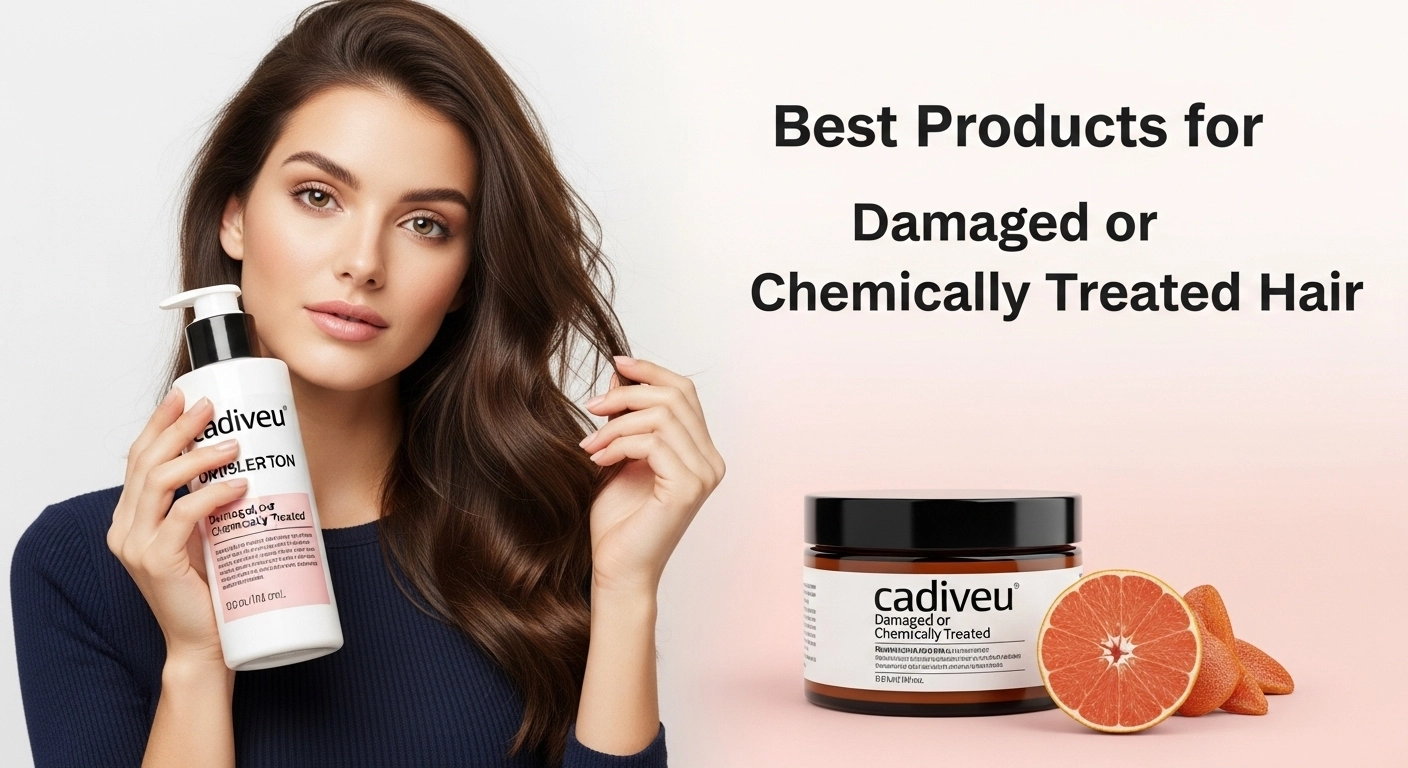
Chemically treated hair, whether from coloring, bleaching, straightening, or perming can be beautiful but fragile. These processes break down hair’s natural structure, strip moisture, and leave strands prone to breakage and frizz. Choosing the right care products isn’t just about shine or softness it’s about rebuilding strength and protecting your hair from further damage.
In this article, we dive deep into the best products for damaged or chemically treated hair. You’ll learn what to look for based on your specific needs, hydration, repair, frizz control, split end prevention, strengthening, and heat protection, and how each product supports hair recovery.
Why Damaged Hair Needs Special Care
Before we look at products, it’s important to understand what happens when hair is “damaged.”
Hair is made of keratin protein. When you bleach or chemically treat hair, the cuticle (outer layer) becomes rough and lifts. Moisture escapes, strength drops, and hair becomes dry, brittle and dull.
Common signs of chemically damaged hair include:
- Split ends and breakage
- Loss of elasticity
- Frizz in humid climates
- Rough texture
- Dull, faded color
- Tangles and knots
Your daily shampoo and conditioner from the mass market won’t be enough to address these issues. Damaged hair requires intensive treatment products designed to rebuild structure, restore moisture balance, and protect against future stress.
Key Ingredients to Look For
When shopping for hair care products, pay attention to these powerful, science‑backed ingredients:
- Keratin – A protein that reinforces hair strength and fills gaps in the cuticle.
- Ceramides – Lipids that restore the protective outer layer and seal moisture.
- Hyaluronic Acid – Deeply hydrates without weighing hair down.
- Argan Oil – Rich in antioxidants and essential fatty acids for smoothness and shine.
- Panthenol (Pro‑Vitamin B5) – Boosts moisture and improves elasticity.
- Amino Acids – Support rebuilding of the inner hair structure.
- Heat Protectants – Form a shield against styling damage.
These ingredients work together to strengthen hair from the inside, lock in moisture, and create a protective barrier — the foundation of healthy, resilient hair.
Best Shampoos for Damaged and Chemically Treated Hair
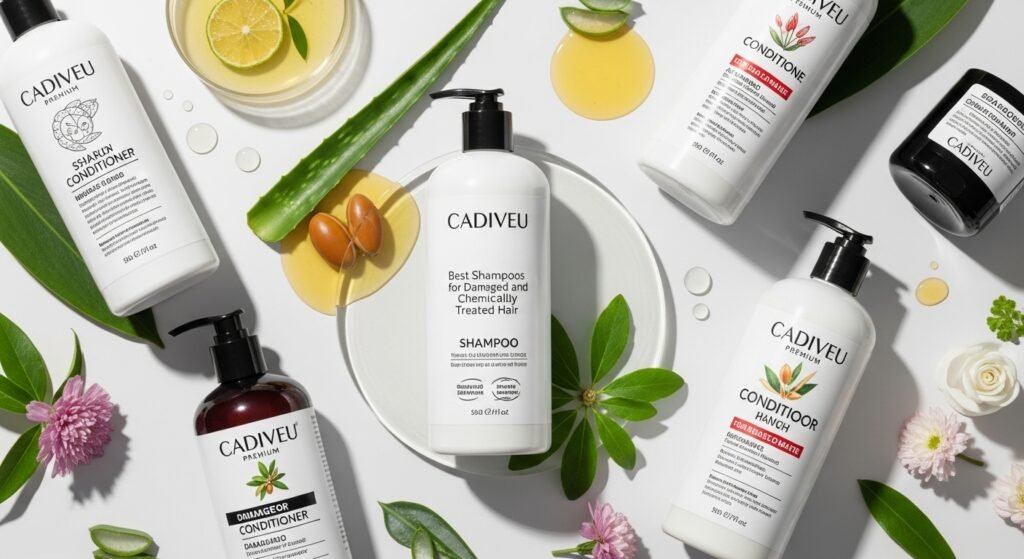
Choosing a shampoo designed for repair and intense nourishment makes a huge difference.
Deep Repair Cleansing Shampoos
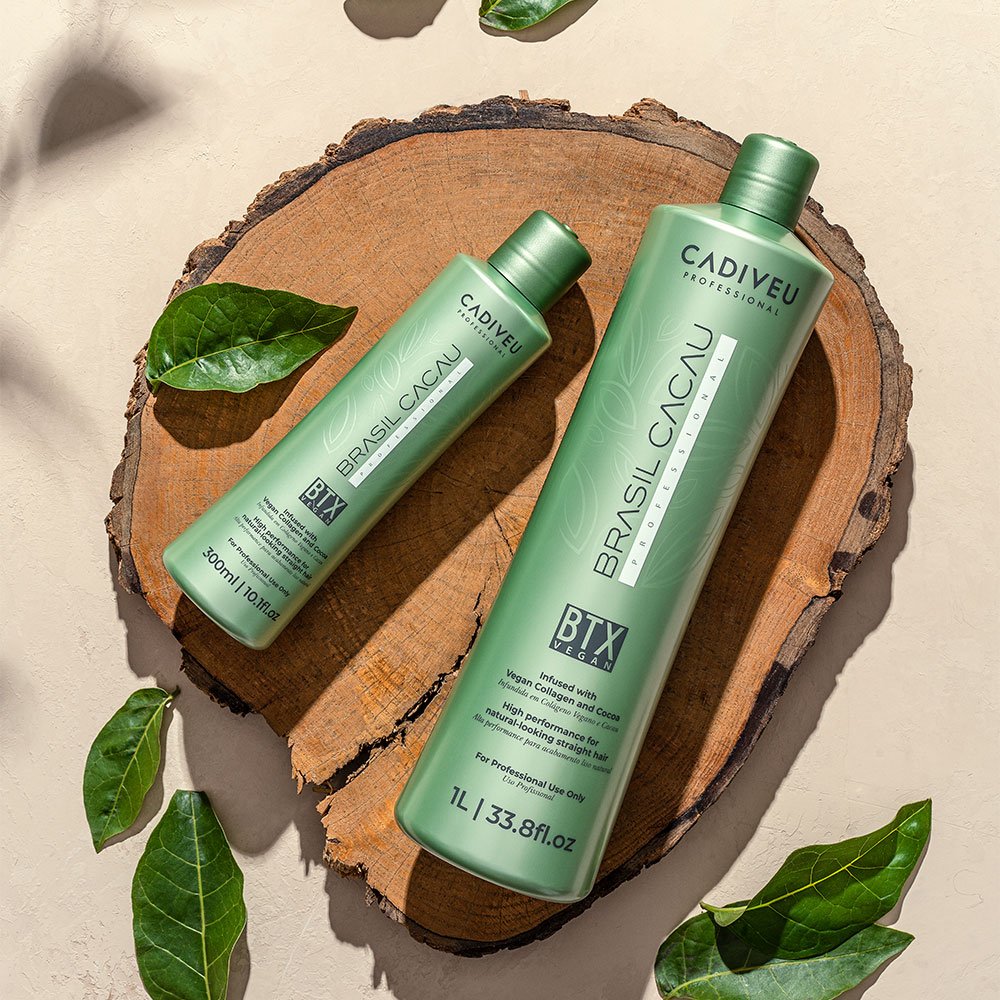
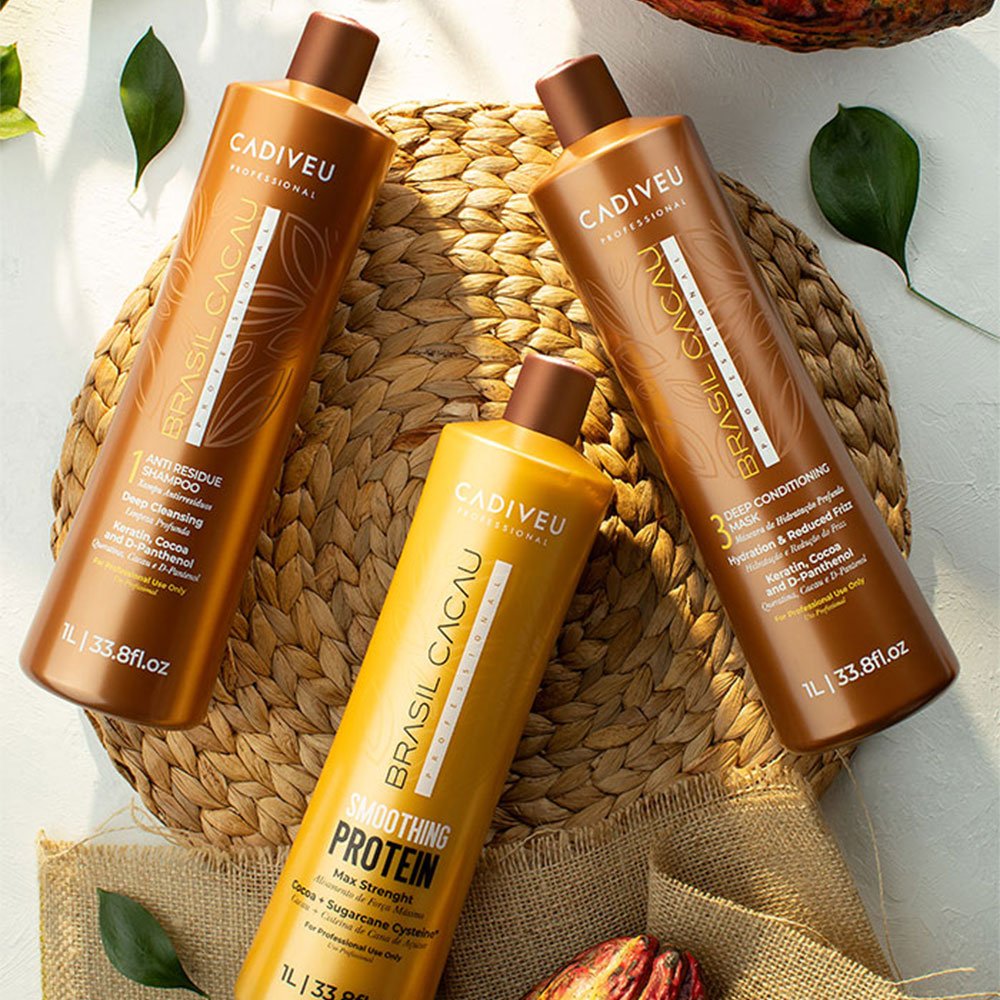
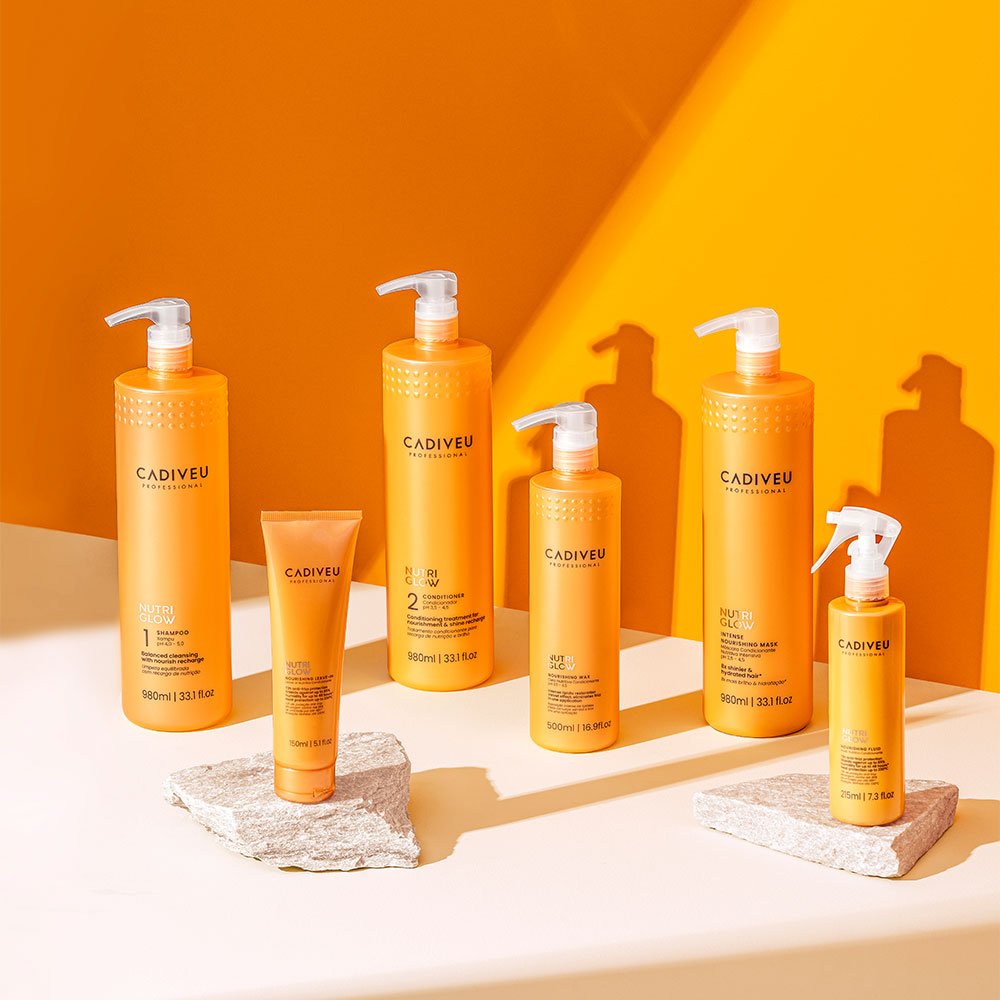
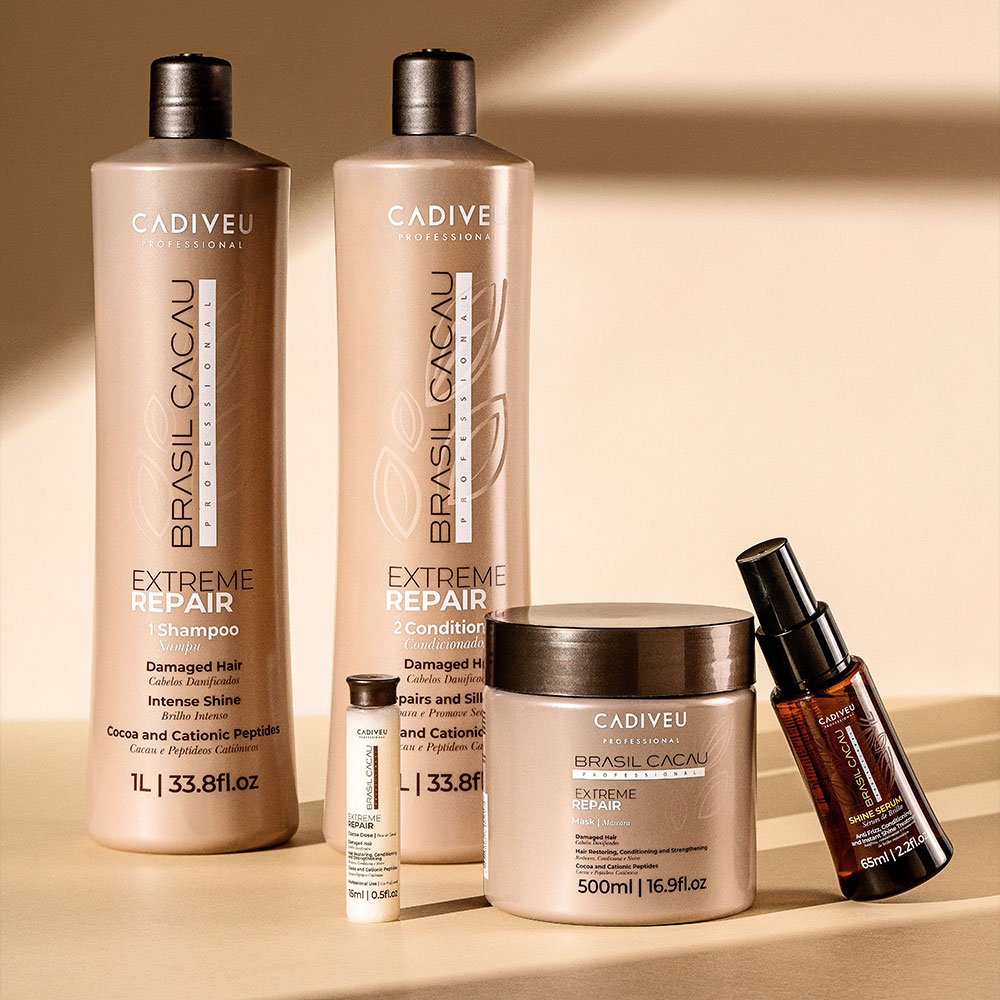
- Look for shampoos labeled “repair,” “fortifying,” or “ultra‑hydrating.” Like Cadiveu Shampoos,
- These formulas are usually sulfate‑free, meaning they don’t strip natural oils.
- They gently cleanse while replenishing lost moisture.
Why it matters: Traditional shampoos can worsen dryness and rough texture. A repair shampoo starts the restoration process at the first wash.
Conditioners That Transform Hair Texture
Conditioner is where damaged hair begins to feel softer and more manageable.
Hydrating and Strengthening Conditioners
A great conditioner for chemically treated hair should:
- Smooth the cuticle
- Deliver long‑lasting moisture
- Strengthen weak strands
- Protect color vibrancy
Conditioners with keratin and oils like argan or jojoba deeply condition without greasiness. Use them after every wash to reduce frizz and improve comb‑through ease.
Hair Masks and Intensive Treatments
If your hair is severely damaged or feels rough, use a hair mask or treatment once or twice a week.
Why Hair Masks Matter
Masks are concentrated formulas that penetrate deeply into the hair shaft. Unlike rinse‑out conditioners, they:
- Strengthen internal fiber structure
- Build resilience against breakage
- Restore silkiness and shine
- Provide long‑term hydration
When to use: Apply on damp hair after shampooing. Leave it on for 10–30 minutes before rinsing. This gives time for repairing ingredients to work.
Leave‑In Conditioners and Serums
For daily care and styling, leave‑in products are essential.
Benefits of Leave‑In Treatments
- Detangle hair gently
- Protect against heat styling
- Smooth frizz and flyaways
- Enhance color retention
- Add shine
A lightweight leave‑in conditioner or serum with ceramides or argan oil will keep hair soft throughout the day and make heat styling less damaging.
Heat Protection Sprays
If you use hair dryers, straighteners or curling irons, heat protectants become non‑negotiable.
What Heat Protectants Do
Heat protectants create a thin film over hair strands. This:
- Reduces moisture loss
- Shields cuticle from extreme temperature
- Minimizes breakage during styling
Always apply heat protection before using hot tools — even if your hair looks fine without it.
roducts for Color‑Treated Hair
Chemically colored hair has its own set of challenges, like fading and dryness.
Color‑Safe Formulas
Choose products that are:
- Sulfate‑free
- Designed for color retention
- Enriched with antioxidants
These products prevent color from washing out too fast, while nourishing the hair fiber.
Top Picks by Category
Here’s a guideline on product types that consistently deliver results for damaged and chemically treated hair.
1. Best for Deep Repair
Focus on masks and treatment kits with keratin and amino acids. These rebuild hair strength and structure.
2. Best for Intense Hydration
Choose products with hyaluronic acid, panthenol, and oils to replenish moisture in dry, brittle strands.
3. Best for Everyday Manageability
Lightweight conditioners and leave‑in formulas that detangle and smooth without heaviness are perfect for daily use.
4. Best for Heat Styling Support
Heat protectants with UV filters and conditioning agents shield hair from thermal damage.
5. Best for Color Maintenance
Products formulated for color safety help hair look vibrant and fresh between salon visits.
How to Build a Routine
A smart hair care routine for damaged hair doesn’t need to be complicated. Here’s a simple schedule you can follow:
Daily or Every Wash:
- Use a repairing, sulfate‑free shampoo
- Follow with a hydrating conditioner
- Apply leave‑in conditioner or serum on damp hair
Weekly:
- Use an intensive hair mask 1–2 times
- Give extra attention to ends and rough areas
Every Time You Style:
- Spray heat protectant before blow‑drying or straightening
Sticking to this routine consistently makes your hair stronger, smoother, and healthier over time.
When to See a Professional
Even with the best products, extremely damaged hair may require salon‑level repair. If you notice:
- Severe breakage
- Large amounts of shedding
- Pain at the scalp
- Hair that won’t improve over weeks of treatment
Consider consulting a hair professional or trichologist. They can recommend stronger treatments or custom formulas based on your hair’s condition.
Final Tips for Healthy, Strong Hair
Here are extra tips to boost the effectiveness of the products you choose:
- Avoid over‑washing: Washing hair too often strips natural oils. Aim for 2–3 times per week.
- Be gentle when wet: Wet hair is fragile. Use a wide‑tooth comb to detangle.
- Trim regularly: Split ends worsen over time. A small trim every 6–8 weeks reduces breakage.
- Protect hair from sun and chlorine: Wear a scarf or shower cap when exposed to harsh conditions.
- Eat a balanced diet: Protein, omega‑3s, and vitamins help hair from inside out.
Conclusion
Damaged or chemically treated hair needs intentional, nourishing care. It’s not just about looking good — it’s about strengthening the hair fiber, restoring moisture, and building resilience against future stress.
The best products for your hair are those that contain repairing proteins, deep moisturizers, protective oils, and heat barriers. By creating a routine that combines cleansing, conditioning, weekly repair masks, and careful styling habits, you can revive dull, fragile strands and enjoy healthy, vibrant hair again.
Take time to explore products that match your specific hair needs — and remember: consistent care makes all the difference.