Why Conditioner Not on Scalp: The Real Reason Experts Recommend Avoiding It

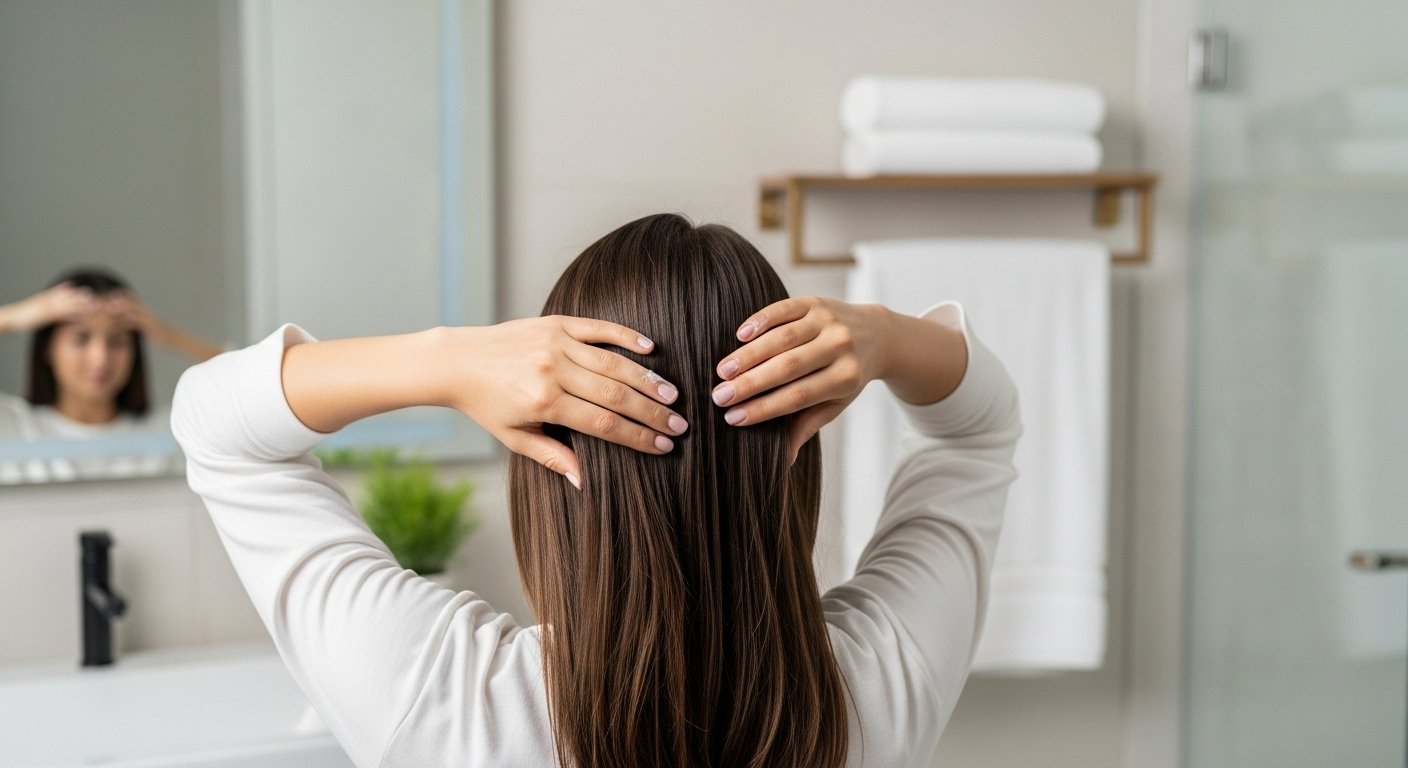
Hair care routines often seem simple, yet many people still wonder why conditioner not on scalp is such a common rule. Conditioner is marketed as a must-have product for smooth, shiny hair, so avoiding the scalp can feel confusing. The truth is that conditioners are designed with specific ingredients and purposes that work best on hair lengths rather than the scalp. Understanding the science behind this practice can help improve hair health, prevent scalp issues, and deliver better long-term results.
Understanding the role of conditioner
Conditioner is created to moisturize, soften, and protect hair strands after shampooing. Shampoo cleanses the scalp by removing dirt, oil, and product buildup. Conditioner works differently. Its main job is to restore moisture, reduce friction, and strengthen the hair cuticle.
Hair strands, especially mid-lengths and ends, are older and more damaged than new growth near the scalp. They face daily exposure to heat, pollution, brushing, and environmental stress. Conditioner coats these strands, sealing moisture and smoothing the cuticle. The scalp, however, already produces natural oils that serve a protective purpose.
Why conditioner not on scalp is recommended
One of the main reasons why conditioner not on scalp is advised relates to oil balance. The scalp naturally produces sebum, an oil that keeps hair roots healthy. Applying conditioner directly to the scalp can interfere with this balance.
Conditioners often contain heavier ingredients like silicones, oils, and emollients. These substances can weigh down roots, making hair appear flat and greasy. Over time, this buildup can clog hair follicles, disrupt healthy hair growth, and lead to discomfort.
Scalp pores and buildup concerns
The scalp has thousands of tiny pores where hair grows. When conditioner is applied to the scalp, it can settle into these pores. Unlike shampoo, conditioner is not designed to cleanse. This means residue can remain even after rinsing.
Buildup on the scalp can cause itching, flaking, and irritation. In some cases, it may worsen dandruff or create an unhealthy environment for hair follicles. This is another major reason experts emphasize why conditioner not on scalp should be a standard hair care rule.
Impact on hair volume and texture
If you have fine or thin hair, applying conditioner to the scalp can significantly reduce volume. Heavy conditioning agents weigh down the roots, preventing hair from lifting naturally.
Hair that should feel light and bouncy may end up looking limp and oily within hours. Even people with thick hair can notice reduced movement and dullness when conditioner is applied too close to the scalp.
Scalp health versus hair shaft needs
The scalp and hair shaft have very different needs. The scalp benefits from cleansing, exfoliation, and balanced hydration. The hair shaft needs moisture, protection, and repair.
Conditioner is formulated to attach to damaged areas of the hair shaft, not the scalp skin. Applying it where it is not needed can cause more harm than benefit. Understanding this difference helps explain why conditioner not on scalp is a widely accepted guideline among professionals.
Can conditioner cause hair loss on the scalp
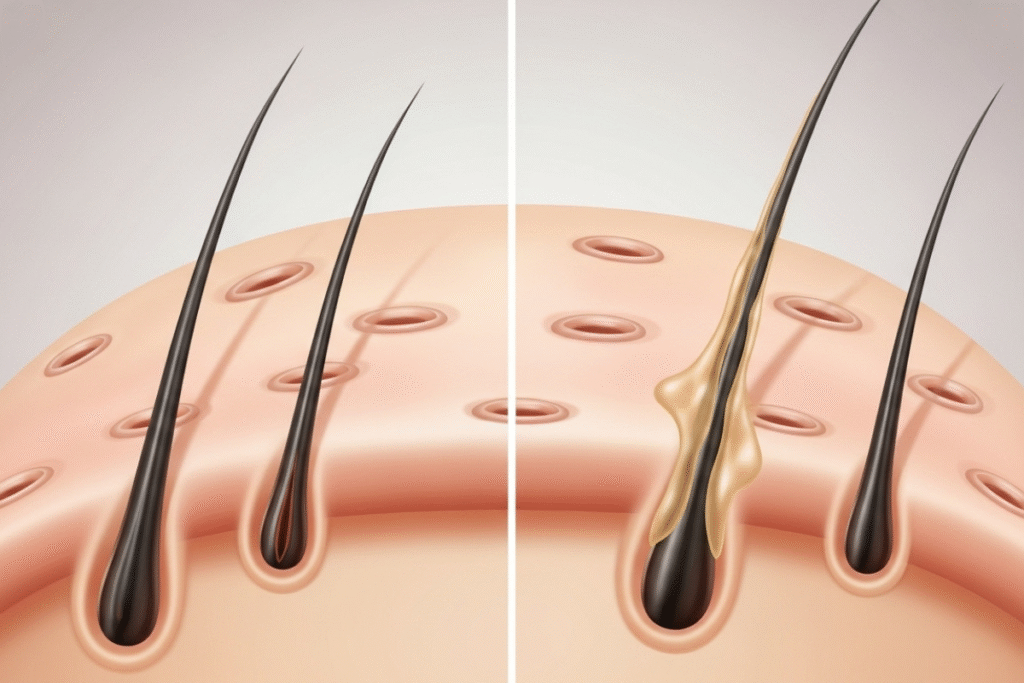
While conditioner itself does not directly cause hair loss, improper use can contribute to conditions that weaken hair roots. When conditioner clogs follicles, it may lead to inflammation or poor scalp hygiene.
Inflamed follicles can disrupt the natural hair growth cycle. Over time, this may result in increased shedding or slower regrowth. This risk reinforces why conditioner not on scalp should be taken seriously, especially for people already dealing with thinning hair.
Exceptions to the rule
Although the general advice is to avoid the scalp, there are a few exceptions. Some conditioners are specifically labeled as scalp conditioners or lightweight formulas. These products are designed to hydrate without clogging pores.
People with extremely dry scalps may benefit from targeted scalp treatments rather than traditional conditioners. These treatments are usually applied sparingly and rinsed thoroughly. Even in these cases, moderation is key.
How to apply conditioner correctly
Proper application makes a big difference in hair health. After shampooing, gently squeeze excess water from your hair. Apply conditioner starting from the mid-lengths and focus on the ends, where damage is most common.
Use a wide-tooth comb or fingers to distribute the product evenly. Leave it on for the recommended time, then rinse thoroughly with lukewarm water. This method ensures hydration without compromising scalp health.
Choosing the right conditioner for your hair type
Not all conditioners are the same. Hair type plays a major role in determining which formula works best. Thick, curly, or chemically treated hair often needs richer conditioners. Fine or oily hair benefits from lightweight, volumizing formulas.
Selecting the right product reduces the temptation to over-apply or use conditioner incorrectly. Understanding why conditioner not on scalp matters becomes easier when the product matches your hair needs.
Scalp care alternatives to conditioner
Instead of using conditioner on the scalp, focus on proper scalp care routines. Gentle exfoliation helps remove dead skin and product buildup. Scalp serums and tonics are formulated to nourish skin without clogging pores.
Regular massage during shampooing can also improve circulation and promote healthy hair growth. These practices support scalp health far more effectively than conditioner ever could.
Common myths about conditioner use
One common myth is that applying conditioner everywhere makes hair softer. In reality, over-conditioning the scalp often leads to greasiness and irritation rather than softness.
Another misconception is that conditioner hydrates the scalp better than oils or treatments. Most conditioners are rinse-off products and do not provide long-term scalp hydration. This is why professionals consistently explain why conditioner not on scalp is better for overall hair health.
Long-term benefits of avoiding conditioner on the scalp
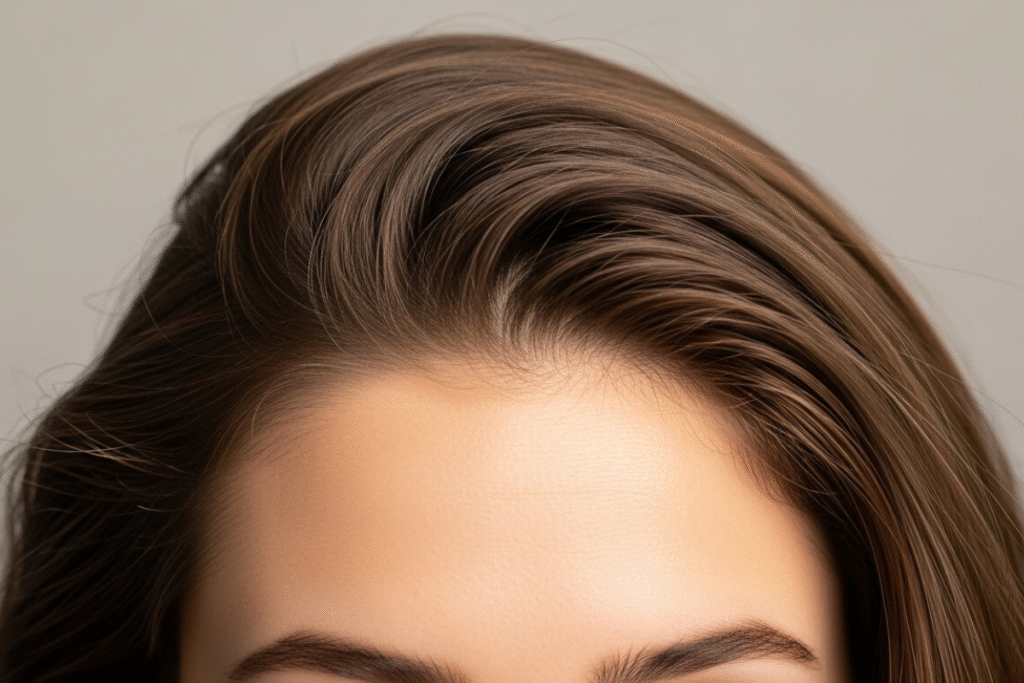
When conditioner is used correctly, hair stays lighter, cleaner, and healthier. The scalp remains balanced, reducing issues like itchiness and excess oil production.
Over time, hair roots feel stronger, and natural volume is preserved. Proper conditioner placement also allows shampoo to work more effectively, since there is less residue to remove.
Professional hair care recommendations
Hair stylists and dermatologists consistently advise clients to avoid applying conditioner directly to the scalp. Their experience shows that most scalp problems improve when conditioner use is limited to hair lengths.
Professional advice is based on long-term observation, product formulation knowledge, and scalp biology. Following this guidance supports healthier hair growth and better styling results.
Final thoughts on why conditioner not on scalp
Understanding why conditioner not on scalp is recommended can transform your hair care routine. Conditioner is a powerful product when used correctly, but misusing it can lead to buildup, irritation, and poor hair appearance.
By focusing conditioner on the mid-lengths and ends, choosing the right formula, and maintaining a balanced scalp care routine, you can achieve stronger, shinier hair without unwanted side effects. This simple adjustment can make a noticeable difference in both hair health and confidence.