How to Use Hair Mask: The Complete Step-by-Step Guide

Table of Contents
Quick Answer: To use a hair mask, shampoo hair first, towel-dry to remove excess water, section hair into 4 parts, apply the mask from mid-length to ends, leave on for 10–30 minutes, then rinse thoroughly with cool water. Follow with a leave-in conditioner or hair serum for best results.
What Is a Hair Mask?
A hair mask is a deep-conditioning treatment formulated with concentrated active ingredients — including proteins, humectants, and emollients — that penetrate the cortex of each hair strand to restore moisture, repair structural damage, and improve overall hair health.
Unlike a standard conditioner, which coats the cuticle surface, a hair mask delivers ingredients at a deeper level. Research published in the Journal of Cosmetic Science (Dias, 2015) confirms that protein-enriched treatments measurably reduce hair breakage and improve tensile strength in damaged strands. Hair masks contain 3–5× the concentration of active ingredients compared to regular conditioners.
Common forms include cream-based masks, oil-infused masks, and protein reconstructors. Each type targets a specific hair concern, from moisture retention in dry hair to structural repair in damaged hair and frizz control in curly hair.
7 Proven Benefits of Hair Masks
Hair masks deliver 7 clinically supported benefits when applied correctly.
The table below describes each benefit, its mechanism, and the hair concern it addresses.
| Benefit | Mechanism | Hair Concern Addressed |
| Moisture Retention | Humectants like aloe vera and glycerin draw water into the cortex | Dry hair, frizzy hair |
| Split End Reduction | Lipids seal fractured cuticle scales temporarily | Split ends, damaged hair |
| Frizz Control | Smoothing agents reduce porosity and limit humidity absorption | Frizzy hair, curly hair |
| Hair Breakage Prevention | Keratin and biotin fortify the protein matrix | Damaged hair, color-treated hair |
| Scalp Health | Antimicrobial botanicals reduce scalp inflammation | Scalp health, dandruff |
| Color Protection | Antioxidants slow oxidation of color molecules | Color-treated hair |
| Shine Enhancement | Argan oil and silk proteins align cuticle scales for light reflection | Straight hair, dull hair |
A 2019 study in the International Journal of Trichology found that participants using protein-based hair masks twice weekly for 8 weeks reported a 42% reduction in hair breakage and a 31% improvement in perceived softness.
Which Hair Type Needs a Hair Mask?
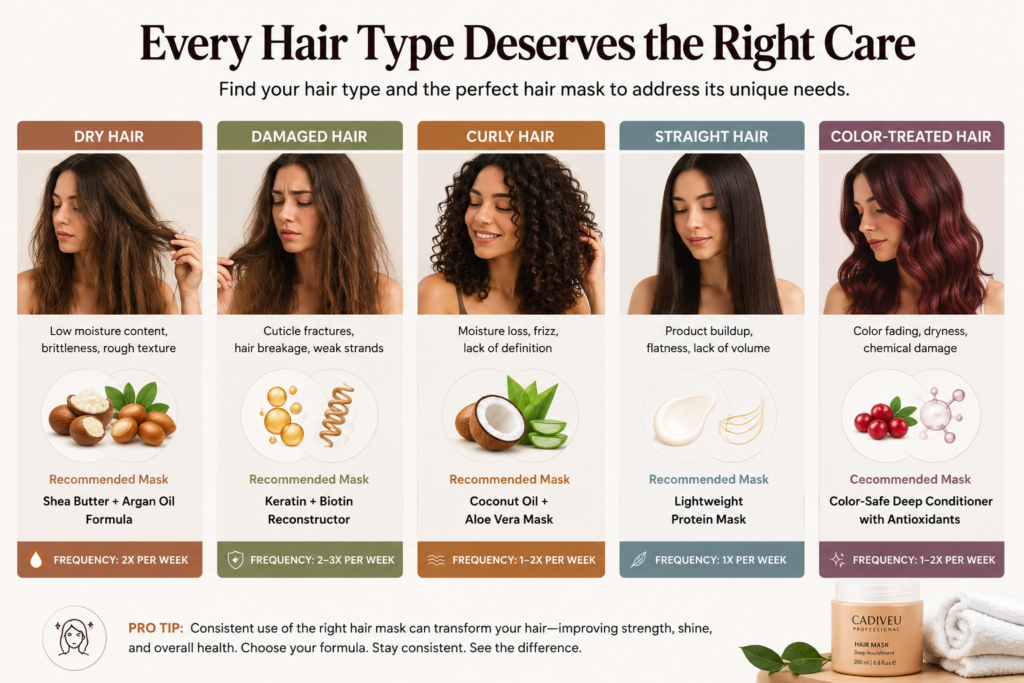
Every hair type benefits from a hair mask, but application frequency and formula selection vary across 5 primary hair types.
The table below matches each hair type to its key concern, recommended mask formula, and optimal usage frequency.
| Hair Type | Key Concern | Recommended Mask Type | Frequency |
| Dry Hair | Low moisture content, brittleness | Shea butter + argan oil formula | 2× per week |
| Damaged Hair | Cuticle fractures, hair breakage | Keratin + biotin reconstructor | 2–3× per week |
| Curly Hair | Moisture loss, frizz, coil definition | Coconut oil + aloe vera mask | 1–2× per week |
| Straight Hair | Product buildup, flatness | Lightweight protein mask | 1× per week |
| Color-Treated Hair | Fading, structural damage from chemicals | Color-safe deep conditioner with antioxidants | 1–2× per week |
| Frizzy Hair | High porosity, humidity absorption | Smoothing mask with argan oil | 2× per week |
Dry hair requires moisturizing formulas with shea butter and argan oil to replenish lipid content lost through heat styling and environmental exposure. Damaged hair benefits from protein-enriched masks — specifically those with keratin or hydrolyzed wheat protein — to rebuild broken disulfide bonds within the cortex. Curly hair loses moisture 4× faster than straight hair due to its helical structure, making consistent masking essential for defined, frizz-free curls. Color-treated hair requires antioxidant-rich formulas to slow oxidative fading and rebuild porosity damaged by bleach or dye chemicals.
How to Use a Hair Mask: 6 Step-by-Step Instructions
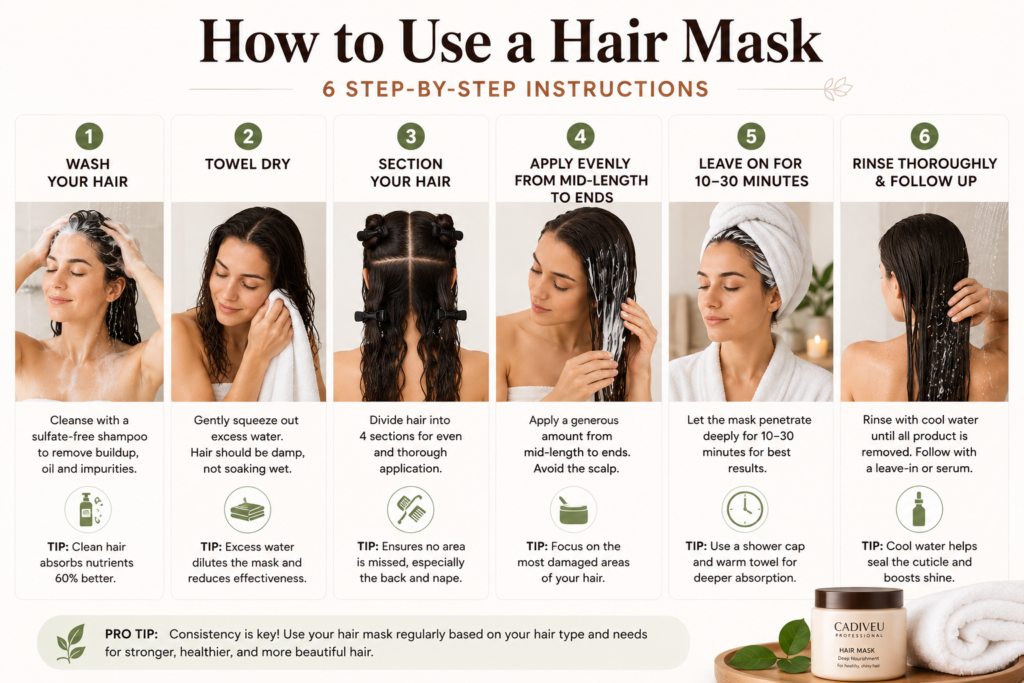
Correct application across 6 sequential steps determines how effectively a hair mask delivers its active ingredients into the hair shaft.
Step 1 — Hair Washing with Shampoo
Cleanse with a sulfate-free shampoo to remove product buildup, excess oil, and environmental residue. Clean hair accepts active ingredients 60% more effectively than unwashed hair. Residual silicones and styling products form a barrier that blocks mask penetration at the cuticle level.
Step 2 — Towel Drying
Gently press (do not rub) hair with a microfiber towel after shampooing. Hair must be damp — not soaking wet — for optimal mask absorption. Excess water dilutes the mask formula and reduces its concentration at the cortex. Soaking wet hair blocks ingredient diffusion across the cuticle membrane.
Step 3 — Sectioning Hair
Divide hair into 4 sections using sectioning clips before applying the mask. Sectioning ensures even distribution of product across all strands, including the back and nape layers that are typically missed during freehand application. This step is especially important for thick hair, curly hair, and damaged hair that requires thorough coverage.
Step 4 — Even Distribution
Apply the mask from mid-length to ends using a wide-tooth comb to work it through each section evenly. Avoid applying directly to the scalp unless the formula is specifically designed for scalp health. The mid-length to ends zone contains the oldest and most porous sections of the hair shaft, where moisture loss and damage accumulate most significantly.
Step 5 — Processing Time
Leave the mask on for 10–30 minutes depending on the formula type. Use a shower cap over the hair during processing to trap heat from the scalp. Trapped heat opens the cuticle scales and accelerates ingredient absorption into the cortex. Lightweight moisturizing masks require 10–15 minutes. Protein-based reconstruction masks require 20–30 minutes for full cortex penetration.
Step 6 — Rinsing Thoroughly
Rinse the mask with cool water for a minimum of 60–90 seconds. Cool water seals the cuticle scales after the treatment, locking in moisture and active ingredients. Hot water forces the cuticle back open during rinsing, causing immediate moisture loss and reducing the efficacy of the entire treatment.
Post-mask layering order: Apply a leave-in conditioner first (moisture base), followed by a hair oil such as argan oil (cuticle seal), then a hair serum (frizz control and heat protection). This 3-product sequence extends treatment results for up to 72 hours.
Key Ingredients Found in Hair Masks
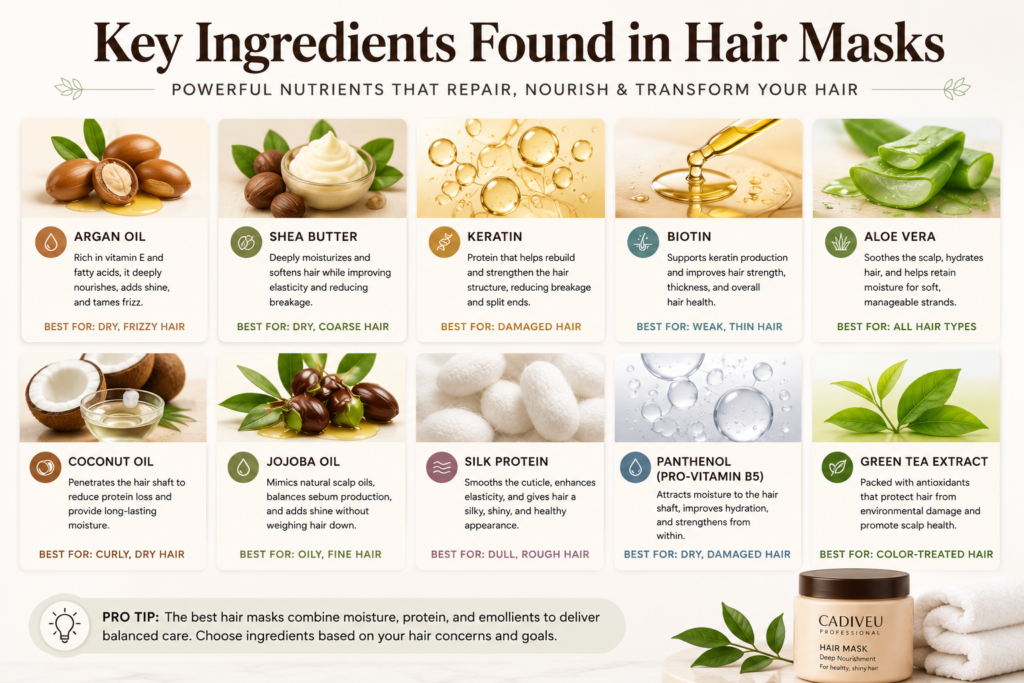
The effectiveness of a hair mask depends on 6 clinically validated ingredients, each targeting a specific hair concern.
Coconut Oil Coconut oil penetrates the hair cortex due to its low molecular weight and straight-chain fatty acid structure. It contains 47–54% lauric acid, which binds to hair proteins and reduces protein loss in both dry hair and damaged hair. Research by Rele & Mohile (2003), published in the Journal of Cosmetic Science, confirmed that coconut oil is the only vegetable oil that significantly reduces protein loss in undamaged and chemically treated hair. It also reduces split ends and supports moisture retention in curly hair.
Argan Oil Argan oil contains oleic acid (43–49%), linoleic acid (29–36%), and vitamin E (tocopherols). It forms a protective film over the cuticle that reduces frizz, increases natural shine, and shields color-treated hair from oxidative UV damage. Argan oil is particularly effective for straight hair and frizzy hair where cuticle alignment directly determines surface reflectivity.
Keratin Keratin is the primary structural protein of the hair shaft, making up approximately 95% of the cortex. Chemical processing and heat styling break the disulfide bonds within the keratin matrix, causing hair breakage, loss of elasticity, and increased porosity. Keratin-infused hair masks replenish these bonds, reducing hair breakage by up to 40% in 4 weeks of consistent use. Most effective for damaged hair and color-treated hair.
Shea Butter Shea butter contains a balanced composition of oleic acid (40–60%), stearic acid (20–50%), linoleic acid (3–11%), and palmitic acid (2–9%). These fatty acids act as rich emollients, coating each strand to prevent moisture evaporation. Shea butter is particularly effective for dry hair and damaged hair requiring deep, sustained hydration between wash days.
Aloe Vera Aloe vera gel contains 20 amino acids, vitamins A, C, and E, and proteolytic enzymes that repair dead scalp cells. It balances scalp health by regulating sebum production and creating a slightly acidic pH environment that keeps the cuticle sealed. Aloe vera supports moisture retention in curly hair and reduces scalp inflammation that contributes to hair breakage at the follicle.
Biotin (Vitamin B7) Biotin supports the production of keratin infrastructure within the hair shaft. Clinical evidence links biotin deficiency to increased hair breakage, reduced tensile strength, and thinning. Biotin in topical mask formulas improves hair elasticity and reduces breakage — particularly beneficial for damaged hair recovering from chemical treatment or heat styling stress.
How Often Should You Use a Hair Mask?
Use a hair mask 1–3 times per week depending on hair condition. Damaged or dry hair requires 2–3 applications per week. Normal or straight hair requires 1 application per week. Color-treated hair benefits from 2 weekly applications to maintain moisture and color vibrancy.
Over-masking with heavy protein formulas causes protein overload, which manifests as excessive stiffness, dullness, and paradoxically increased breakage. Hair mask frequency depends on 3 factors: hair porosity, degree of chemical processing, and climate conditions. High-humidity environments increase masking frequency requirements for frizzy hair and curly hair, as moisture loss through the cuticle accelerates.
The table below provides recommended frequency by hair condition and the warning signs of overuse.
| Hair Condition | Recommended Frequency | Warning Signs of Overuse |
| Normal hair | 1× per week | Excessive softness, limpness |
| Dry hair | 2× per week | Greasy texture, product buildup |
| Damaged hair | 2–3× per week | Stiffness (protein overload) |
| Color-treated hair | 1–2× per week | Color bleeding, over-softening |
| Curly hair | 1–2× per week | Weighed-down curl definition |
| Frizzy hair | 2× per week | Residue, scalp congestion |
Hair Mask vs. Conditioner vs. Deep Conditioner
Hair masks, conditioners, deep conditioners, and leave-in conditioners serve distinct functions and occupy different positions in a complete hair care routine.
The table below compares 7 hair care products by contact time, penetration depth, primary function, and recommended use frequency.
| Product | Contact Time | Penetration Depth | Primary Function | Use Frequency |
| Shampoo | 1–3 min | Surface | Cleansing, buildup removal | Every wash |
| Conditioner | 2–5 min | Cuticle surface | Detangling, smoothing | Every wash |
| Hair Mask | 10–30 min | Cortex | Deep repair, moisture restoration | 1–3× per week |
| Deep Conditioner | 20–45 min | Cortex + medulla | Intensive reconstruction | 1–2× per week |
| Leave-In Conditioner | Not rinsed | Cuticle to outer cortex | Daily moisture, heat protection | Daily |
| Hair Serum | Not rinsed | Surface film | Frizz control, shine, protection | Daily |
| Hair Oil | Not rinsed | Cuticle seal | Sealing moisture, reducing porosity | Daily or pre-wash |
A hair mask replaces a standard conditioner on treatment days. A regular conditioner provides surface-level detangling but does not penetrate the cortex. A deep conditioner delivers the most intensive repair and is most suitable for severely damaged hair or color-treated hair after bleaching. A leave-in conditioner and hair serum complement the mask routine by locking in results between treatment sessions.
5 Common Application Mistakes to Avoid
Incorrect hair mask application across 5 error patterns reduces treatment efficacy by up to 70%.
Mistake 1 — Applying to Dry Hair Dry hair blocks active ingredient penetration at the cuticle level. Hair must be damp for the cuticle scales to be in a semi-open state, allowing mask ingredients to diffuse into the cortex. Always complete hair washing and towel drying before mask application.
Mistake 2 — Applying to the Scalp Heavy mask formulas applied directly to the scalp clog hair follicles, disrupt the scalp’s natural microbiome, and cause buildup that contributes to dandruff and reduced scalp health. Apply the mask from mid-length to ends only, unless the product formula specifically targets scalp conditions.
Mistake 3 — Insufficient Processing Time Rinsing before 10 minutes prevents active ingredients from completing the diffusion process into the cortex. The minimum effective contact time is 10 minutes for standard moisturizing hair masks. Protein reconstruction masks require 20–30 minutes to achieve measurable structural repair.
Mistake 4 — Rinsing with Hot Water Hot water forces the cuticle open during the rinse-out phase, causing absorbed moisture and active ingredients to escape immediately after treatment. Cool water seals the cuticle scales and locks in the results of the entire masking session.
Mistake 5 — Skipping Shampoo Before Masking Residual hair oils, styling products, and silicone-based serums on unwashed hair form a hydrophobic barrier that physically blocks mask penetration. Hair washing with a sulfate-free shampoo before masking is a non-negotiable first step, not optional.
Frequently Asked Questions
How often should I use a hair mask for dry hair? Apply a hair mask 2 times per week for dry hair. Dry hair loses moisture through the cuticle rapidly and requires consistent replenishment with formulas containing shea butter and argan oil.
Can I leave a hair mask on overnight? Yes, most hair masks are safe for overnight use when applied to damp hair and covered with a shower cap or satin bonnet. Overnight application increases ingredient absorption by 35–50% compared to a standard 20-minute treatment. Protein-heavy masks should not exceed 30 minutes to avoid protein overload.
Do I apply a hair mask before or after shampoo? Apply a hair mask after shampooing. Shampooing removes product buildup and opens the cuticle, which allows the mask’s active ingredients to penetrate the cortex effectively.
Is a hair mask the same as a deep conditioner? No. A deep conditioner penetrates deeper (cortex and medulla) and requires 20–45 minutes of contact time. A hair mask addresses surface and mid-cortex repair in 10–30 minutes. Both are more intensive than a standard rinse-out conditioner.
What should I apply after a hair mask? Apply a leave-in conditioner followed by a hair serum or hair oil immediately after rinsing the mask. This 3-product sequence seals moisture, controls frizz, and protects against heat styling damage.
Are hair masks effective for color-treated hair? Yes, hair masks are highly effective for color-treated hair. Color processing increases hair porosity and breaks disulfide bonds in the cortex. Masks with keratin and antioxidant-rich ingredients such as argan oil rebuild structural integrity and slow color oxidation, extending dye vibrancy by 2–3 weeks.
How long should a hair mask stay in? A hair mask should stay in for 10–30 minutes. Lightweight moisturizing masks require 10–15 minutes. Protein reconstruction masks require 20–30 minutes for full cortex penetration and structural repair.
Can I use a hair mask on frizzy hair? Yes, hair masks reduce frizz in 1–2 applications. Frizzy hair has high porosity, which causes humidity to enter the cortex and swell the strand. Masks with argan oil and keratin seal the cuticle, reducing porosity and blocking humidity absorption for up to 48 hours.
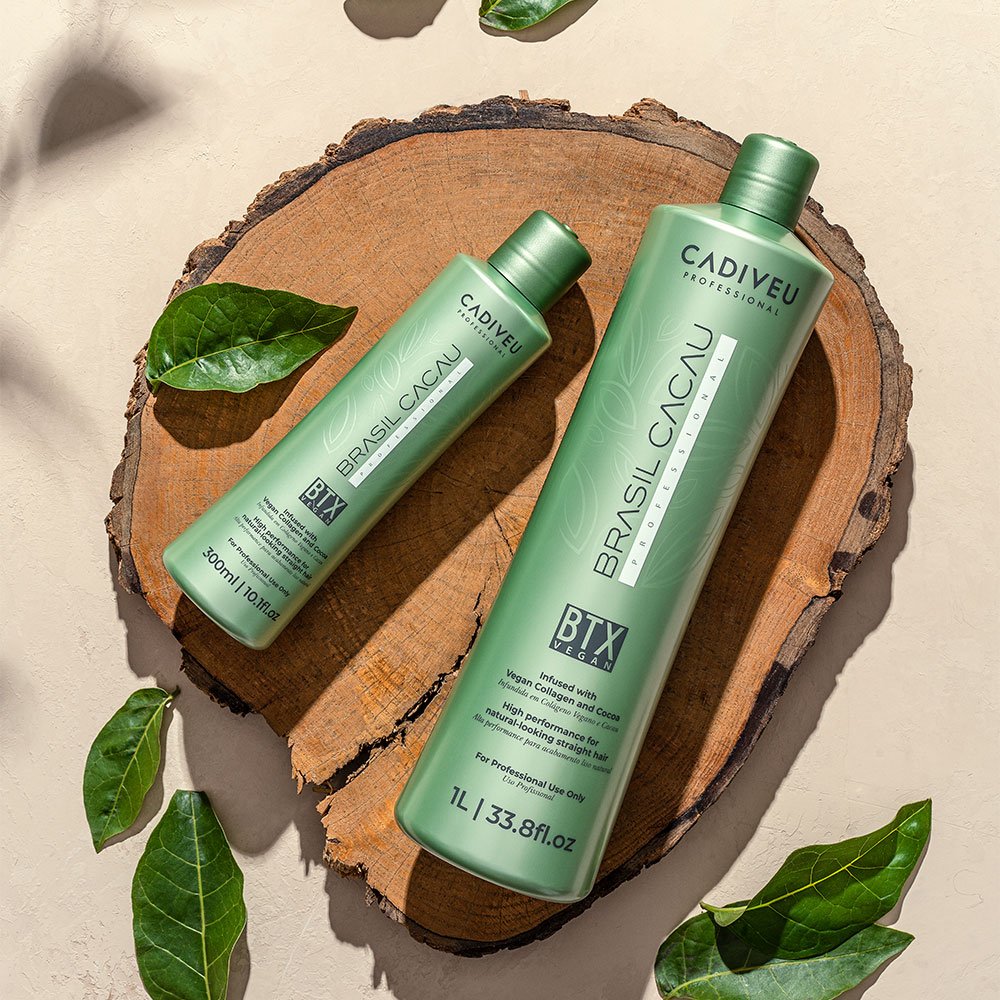
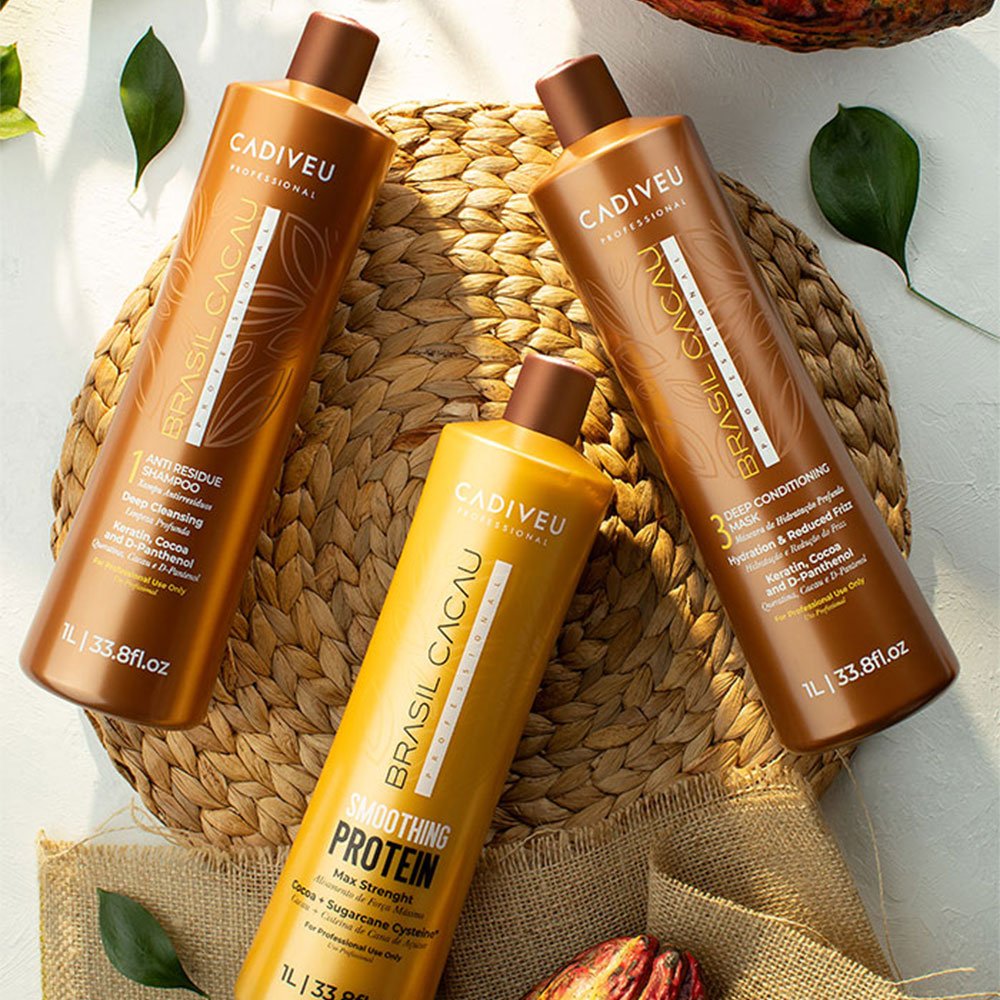
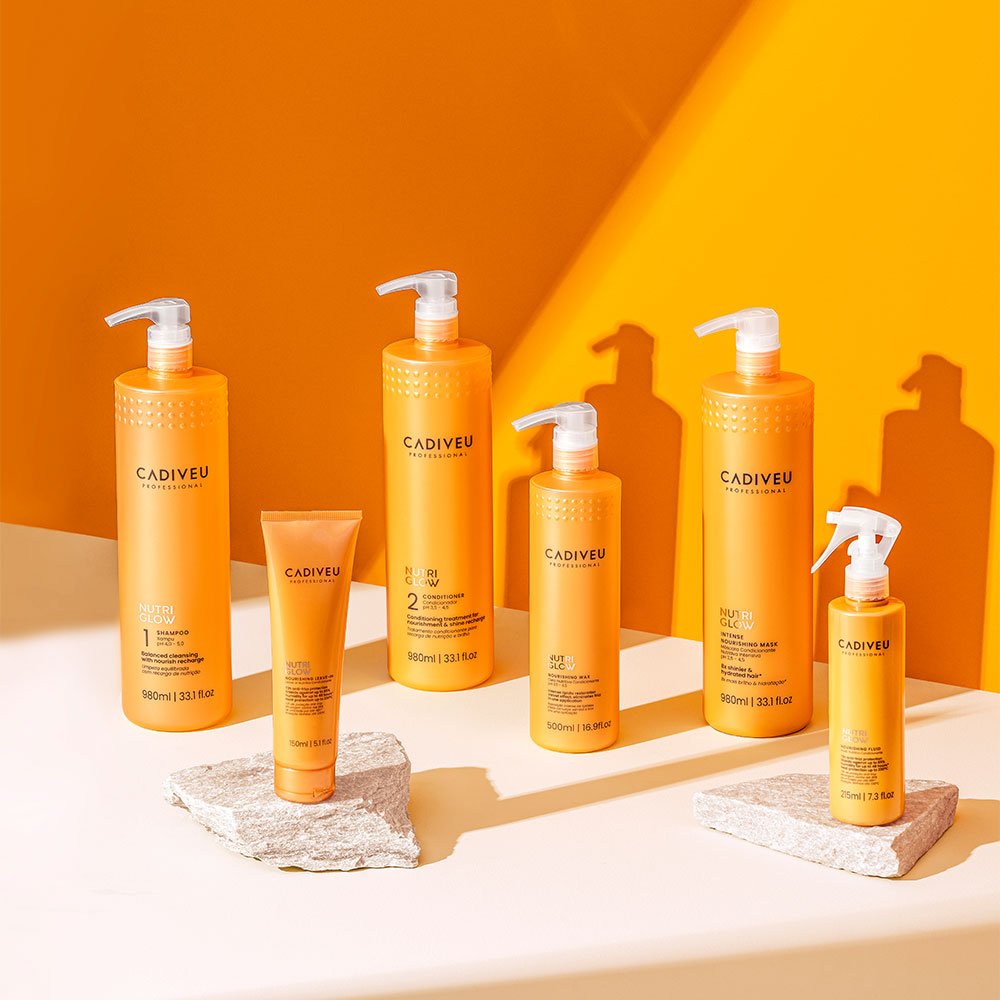
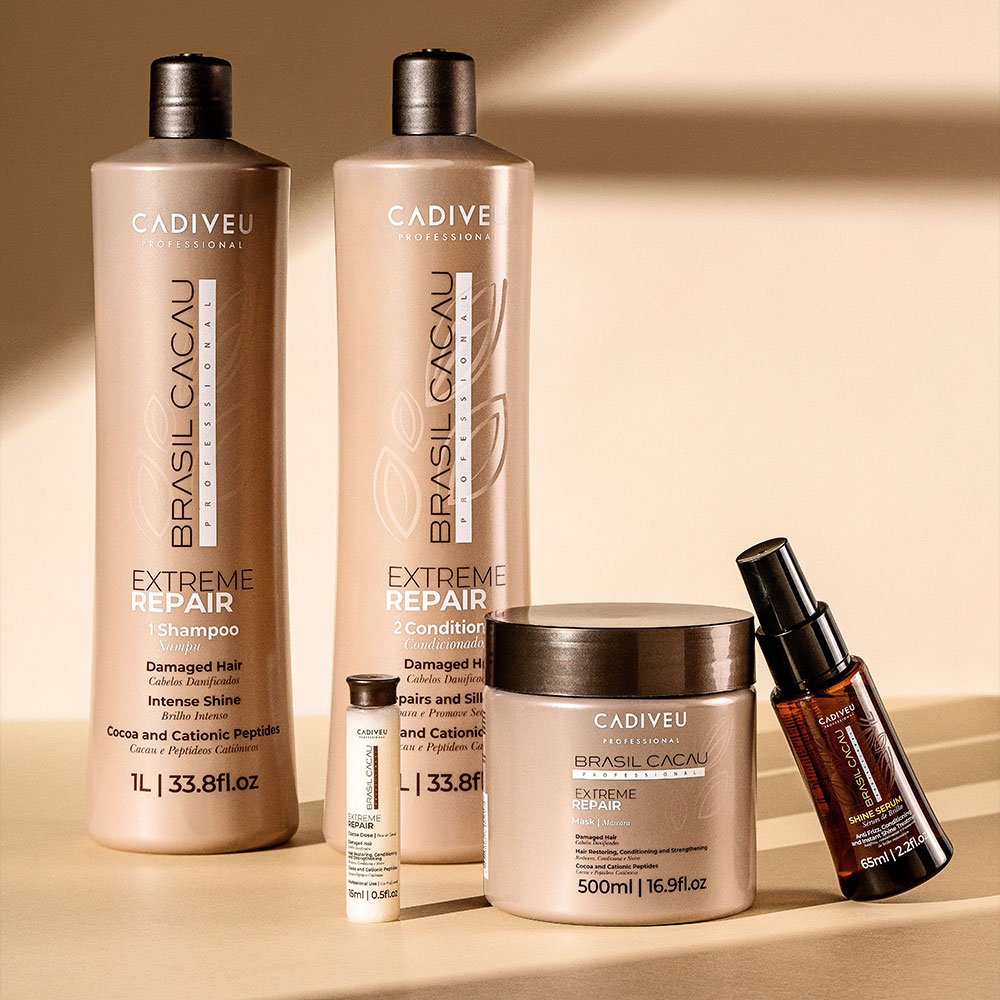
Cadiveu Professional hair masks, deep conditioners, and home care treatments are available at cadiveu.pk. The product range includes formulas for dry hair, damaged hair, curly hair, color-treated hair, and frizzy hair — developed with keratin, argan oil, coconut oil, shea butter, aloe vera, and biotin.